How Farm Life Became a Luxury Signal
For decades, luxury was incredibly easy to recognize.
It came wrapped in gleaming marble lobbies, skyline penthouses, multi-course Michelin-starred dinners, and calendars so aggressively packed they served as definitive proof of your importance. In that era, the rule was simple: the louder your life looked, the more successful you appeared.
Until something quietly, fundamentally changed.
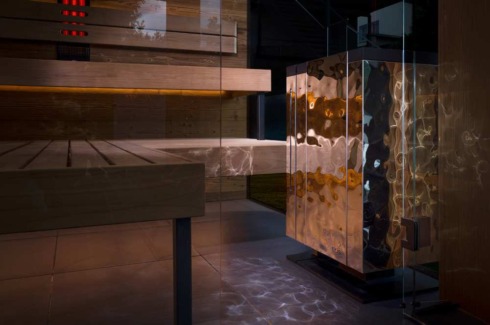
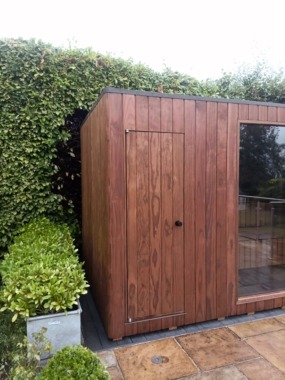
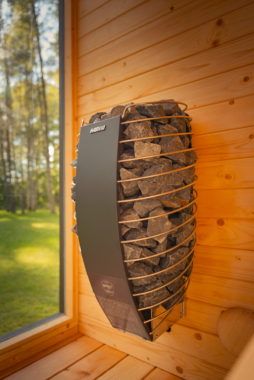
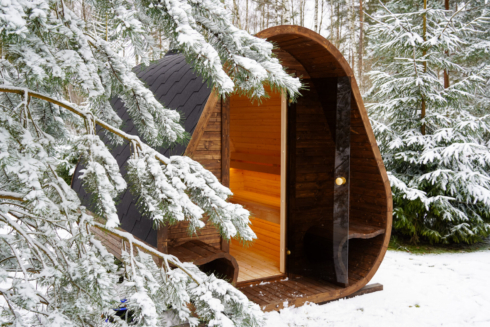
Today, the people who can afford almost anything are choosing something entirely different. They aren’t buying yachts; they’re buying old farmhouses. They aren’t attending exclusive networking galas; they’re learning the names of the trees on their land, growing heirloom vegetables, building saunas in the forest, and collecting fresh eggs in the morning.
They aren’t escaping success. They’re redefining it.
From Consumption to Restoration
For years, we optimized absolutely everything. We fine-tuned our businesses, streamlined our daily routines, and maximized our productivity. We turned self-care into a competitive sport—even our sleep became a data point to be tracked, scored, and measured.
Yet, amidst all this hyper-optimization, one vital thing quietly disappeared: a nervous system that actually felt safe.
Constant notifications, endless decisions, artificial light, traffic, meetings, and deadlines. Our bodies were never designed for permanent stimulation, yet we’ve normalized living as if every single day is an emergency.
In the modern landscape, the greatest scarcity isn’t money. It’s recovery.
THE LUXURY SHIFT:
Old Paradigm: Accumulation ➔ Noise ➔ Permanent Stimulation
New Paradigm: Restoration ➔ Silence ➔ Nervous System Regulation
It’s Not Nostalgia-It’s Biology
Farm life has become the visual opposite of modern stress. It offers a blueprint for an alternative existence: a slower morning, fresh food with a tangible story, and a deep silence that doesn’t demand to be filled. It trades the relentless rhythm of notifications for the grounding rhythm of nature.
This sudden obsession with the pastoral isn’t just a passing trend or a bout of romantic nostalgia. It’s biology.
Humans evolved surrounded by daylight, fresh air, changing seasons, physical movement, and long moments of stillness. What once seemed completely ordinary has quietly become exceptional.
Today, the ultimate status symbol isn’t being busy. It’s having enough control over your life to deliberately slow down. It’s the freedom to:
* Unplug: Wake up without immediately reaching for a screen.
*Nourish: Eat something that grew just a few yards away.
*Disconnect: Hear birdsong before checking your inbox.
*Exist: Spend an afternoon where absolutely nothing extraordinary happens—and realize that’s exactly the point.
In a world fiercely competing for your attention, peace has become one of the rarest things you can own.
Wellness is About "Remembering," Not Optimizing
Lately, wellness has begun to shift. It is becoming less about adding more—less biohacking, less optimization, less chasing the next synthetic breakthrough—and more about remembering.
It’s about remembering what the human body already deeply knows.
The oldest rituals are suddenly becoming the most relevant ones:
*Heat & Cold: Saunas, wood-fired baths, and cold plunges.
*Nature & Movement: Working the land, walking the woods, and functional physical labor.
*Community & Rest: True presence with loved ones, unhurried meals, and deep, unmonitored stillness.
Perhaps that’s why farm life feels so incredibly luxurious now. It’s not because it is exclusive. It’s because it offers the one thing modern life struggles to provide: presence. It provides a regulated nervous system and the profound feeling that, for a moment, nothing is asking anything from you.
Luxury is no longer measured by how much you can accumulate. It’s measured by how deeply you can exhale.