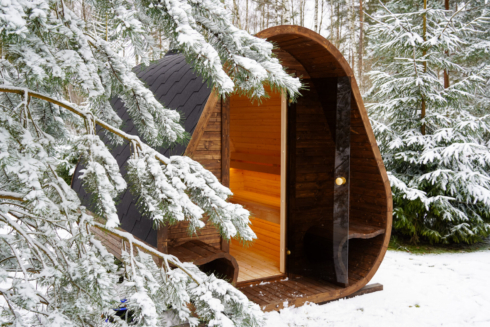
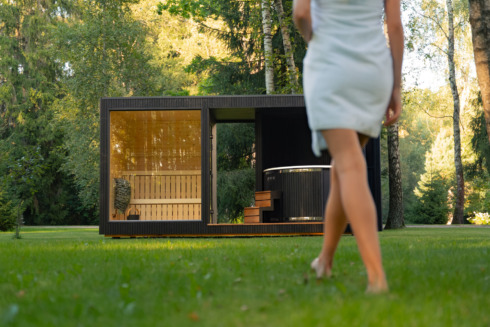
An outdoor shower can be much more than a practical place to rinse off after swimming or gardening. When thoughtfully integrated beside a sauna, cold plunge or pool, it becomes part of a complete outdoor wellness ritual—a transition point between heat, cold, water and rest.
The best outdoor showers combine privacy, durable materials, efficient drainage and architectural design. They should feel connected to the house and landscape while remaining comfortable and convenient to use.
In this guide, we explore how to plan an outdoor shower, where to position it, which materials to choose and how to combine it with an outdoor sauna or ice bath to create a private wellness retreat at home.
Why Add an Outdoor Shower to Your Home?
An outdoor shower introduces a simple but powerful ritual into everyday life. It can be used to cool down after a sauna, rinse before entering a pool or cold plunge, refresh after exercise or enjoy a quiet moment outdoors.
Depending on its location and water connection, an outdoor shower can serve several purposes:
- Cooling down between sauna sessions
- Rinsing before and after using a pool or hot tub
- Washing away chlorine, salt, sand or garden dirt
- Supporting hot-and-cold contrast routines
- Creating a convenient shower for a guesthouse or glamping area
- Adding an architectural feature to a terrace or garden
- Extending the home’s wellness space into nature
Â
A carefully designed shower also helps connect separate outdoor elements. A sauna, shower and cold plunge no longer feel like individual products; together, they become one coherent wellness environment.
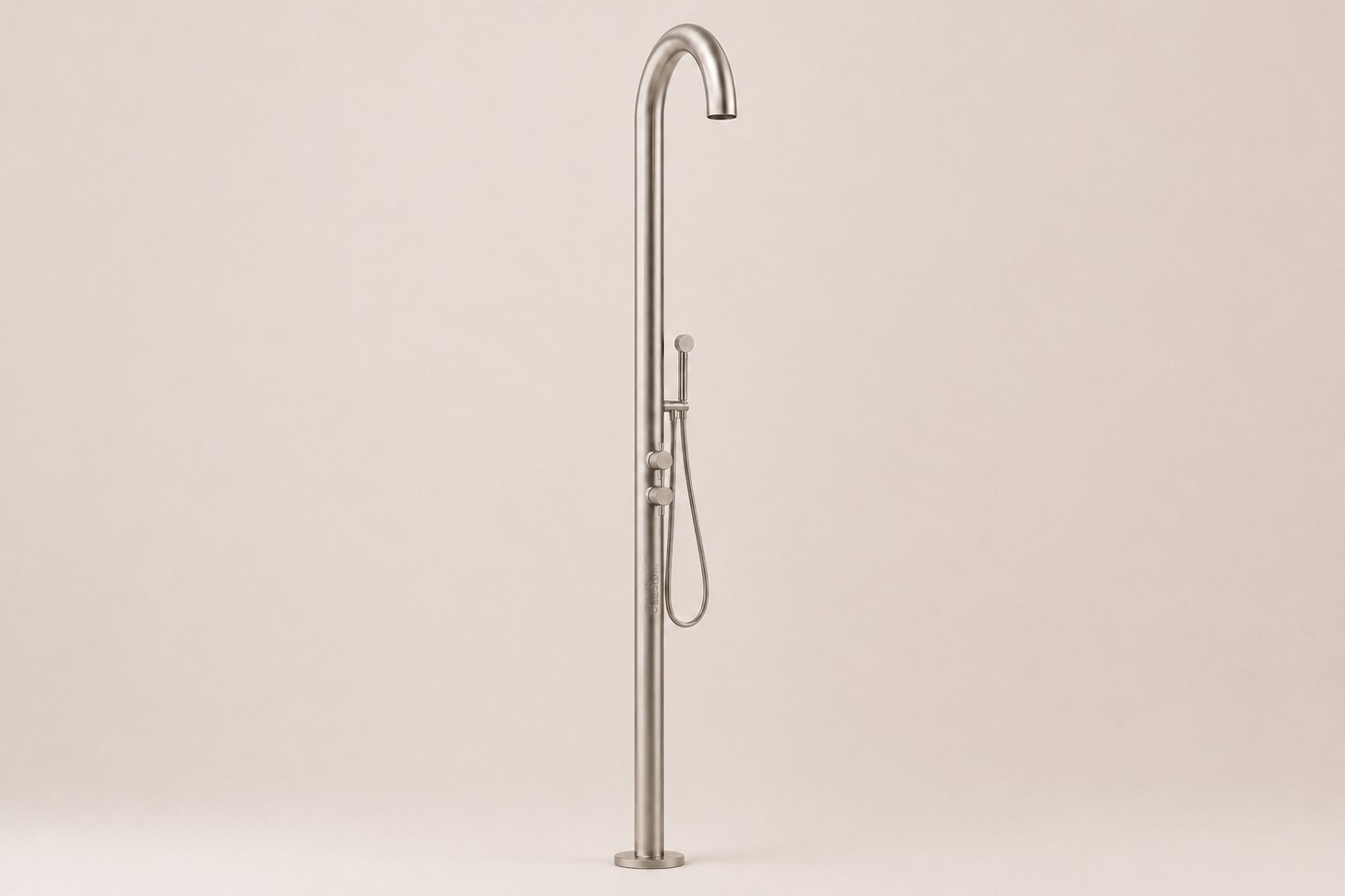
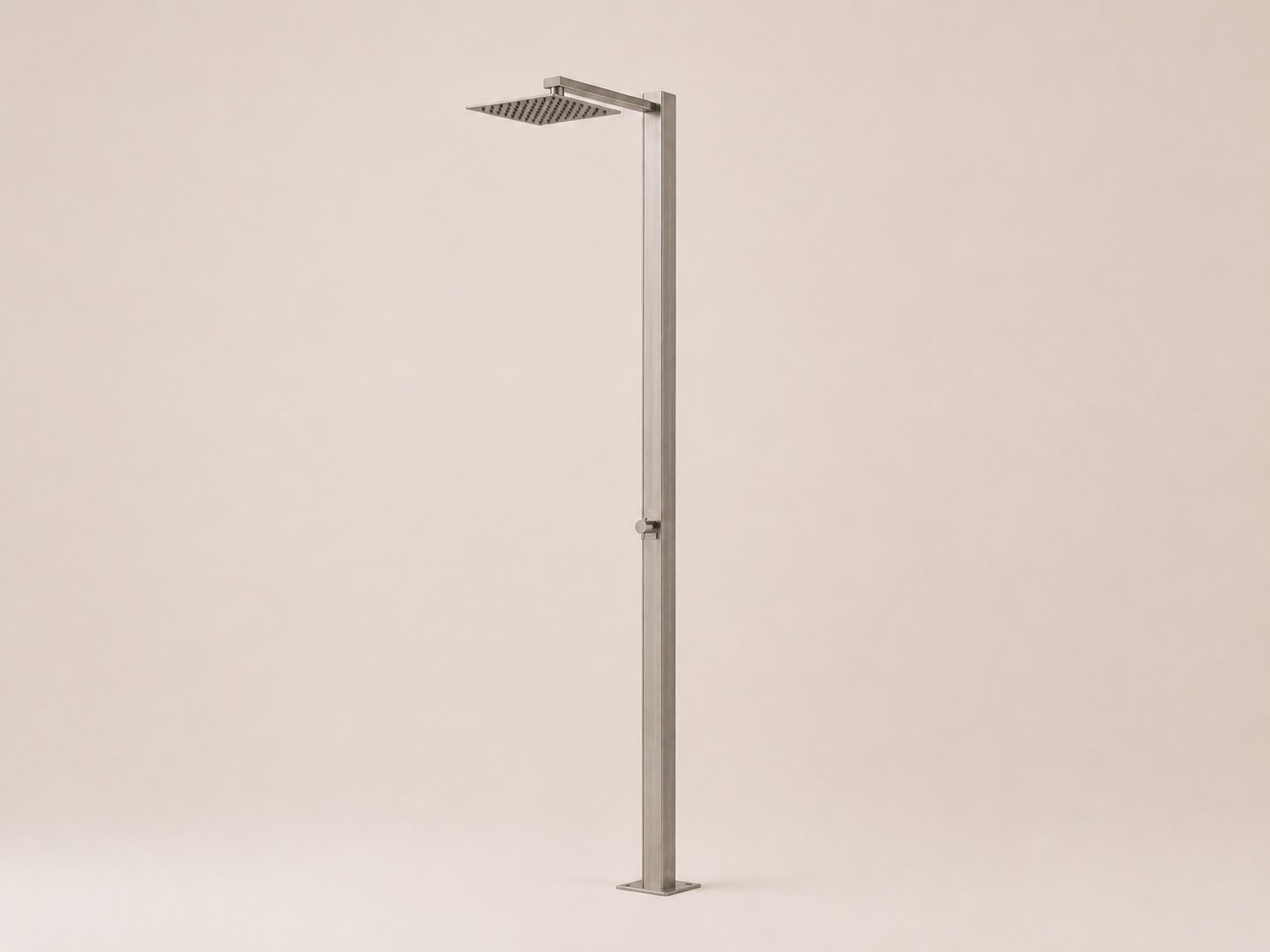
Explore the complete Celsium outdoor shower collection to compare different architectural designs.
Outdoor Shower Next to a Sauna
An outdoor shower is one of the most natural additions to an outdoor sauna.
After spending time in the heat, many people want to cool down gradually before resting or beginning another sauna round. A shower allows the temperature and intensity to be adjusted, making it suitable for different preferences and routines.
Cold water creates a more invigorating transition, while lukewarm water offers a gentler cooling experience. If both hot and cold water are connected, the shower can also be used as a comfortable everyday washing area.
For the most practical layout, position the shower close to the sauna entrance but not directly in front of the door. The route between the sauna and shower should be short, private and safe to use with bare feet.
A simple arrangement might include:
- The outdoor sauna
- A non-slip path or terrace
- The outdoor shower
- A cold plunge or ice bath
- A protected relaxation area
This creates a natural sequence: heat, rinse, cool and rest.
Browse our outdoor sauna collection or learn how heat and cold can be combined in The Celsium Method.
Hot or Cold Outdoor Shower?
The right water system depends on how you plan to use the shower.
Cold-water outdoor shower
A cold-water-only shower is usually the simplest option. It works especially well next to a sauna, swimming pool or exercise area where the main purpose is cooling and rinsing.
It generally requires less plumbing and can be easier to winterise. However, the water temperature will depend on the season and local climate.
Hot and cold outdoor shower
A mixed-water shower offers greater comfort and versatility. It can be used throughout more of the year and is suitable for longer showers, guest accommodation and everyday washing.
Hot water may be supplied from the main house, a nearby technical room or a suitable instantaneous water heater. The best solution depends on distance, climate, local regulations and the available energy supply.
Contrast shower
A contrast shower allows you to alternate between warm and cold water. This can create an invigorating transition following heat exposure, but the intensity should always be adapted to personal comfort and health considerations.
For a stronger cold-water experience, the shower can be paired with an AISTÄ– Ice Bath Classic or the more spacious AISTÄ– Ice Bath Grand.
Where Should an Outdoor Shower Be Located?
Location influences privacy, drainage, comfort and how frequently the shower will be used.
An outdoor shower should ideally be:
- Close to the sauna, pool or house
- Connected by a stable, non-slip surface
- Protected from strong wind
- Positioned where water can drain correctly
- Screened from neighbours and public areas
- Accessible to plumbing and maintenance
- Integrated naturally into the landscape
Â
Avoid placing the shower where water can collect around foundations, flow toward the sauna or remain beneath timber structures. The ground should be prepared before installation, especially if the shower will be used frequently.
It is also worth observing the sun throughout the day. Morning or evening sunlight can make an outdoor shower feel warmer and more inviting, while partial shade may provide greater comfort in hotter climates.
How Much Privacy Does an Outdoor Shower Need?
Privacy does not necessarily require building a fully enclosed room. The best solution depends on the property, neighbouring buildings and how the shower will be used.
Possible outdoor shower privacy solutions include:
- Vertical timber screens
- Frosted or tinted glass
- Architectural walls
- Tall grasses and planting
- Slatted screens that preserve light and airflow
- Placement behind the sauna or another garden structure
- A partially enclosed shower cabin
Â
For homes surrounded by nature, a minimal screen may be enough. In urban gardens, a more enclosed structure will usually feel comfortable.
The entrance should also be considered carefully. A shower may be visually protected from the front but still visible through gaps at the sides. Check the design from neighbouring windows, terraces and paths before confirming its final position.
Choosing Materials for an Outdoor Shower
Outdoor shower materials must withstand water, temperature changes, sunlight and regular exposure to the elements.
Thermally modified wood
Thermally modified wood is a natural choice for outdoor wellness architecture. The heat-modification process improves dimensional stability and reduces the wood’s tendency to absorb moisture.
Thermo pine and Thermo Radiata Pine create a warm appearance and can visually connect the shower with a timber sauna, deck or garden building.
Like all natural exterior wood, it still requires correct installation and appropriate care.
Yakisugi or Shou Sugi Ban
Charred timber creates a darker, more expressive exterior. It works especially well with modern black saunas, dark metal details and contemporary landscaping.
Its deep texture adds architectural character while helping the shower feel like a permanent part of the garden rather than a temporary accessory.
Stainless steel and PVD finishes
Metal shower components should be selected for exterior conditions and compatibility with the local water supply.
Chrome creates a clean, timeless appearance, while gunmetal, brushed gold and brushed copper finishes can introduce a more distinctive design accent. The finish should coordinate with handles, lighting and other architectural details across the wellness area.
Stone, tiles and composite surfaces
Stone and exterior-rated tiles are durable choices for shower flooring and surrounding walls. They should have an appropriate anti-slip rating and be installed with the correct slope.
Composite decking can offer lower maintenance, but drainage and ventilation beneath the surface remain essential.
Drainage: One of the Most Important Decisions
A beautiful outdoor shower will quickly become inconvenient if the drainage is poorly planned.
Water should move away from the shower efficiently without creating puddles, mud, erosion or excess moisture around nearby timber structures.
Common drainage solutions include:
- A channel drain connected to an approved wastewater system
- A central floor drain
- A gravel drainage bed
- A purpose-designed soakaway
- A permeable base, where local conditions permit
Â
The correct solution depends on the soil, expected water volume, local building regulations and whether soap or shampoo will be used.
A simple cold-water rinse may require a different drainage system from a full outdoor bathroom used every day. A qualified local installer should assess the water supply, drainage route and applicable regulations before installation.
Can an Outdoor Shower Be Used in Winter?
Yes, but the installation must be designed for the local climate.
In regions with freezing temperatures, water remaining inside pipes, valves or shower fittings can freeze and damage the system. Outdoor plumbing should therefore include a safe way to isolate and drain the water.
Depending on the installation, winter protection may include:
- Frost-resistant exterior fittings
- Insulated supply pipes
- A shut-off valve in a protected location
- Drain-down valves
- Trace heating where appropriate
- Removable shower components
- A correctly sloped pipe system that does not retain water
Â
If year-round use is required, this should be decided during the planning stage—not after the shower has been installed.
In colder climates, placing the shower close to the sauna or technical area can reduce pipe distances and simplify maintenance.
Outdoor Shower Ideas for Small Gardens
A private outdoor shower does not require a large wellness estate. A compact design can be integrated into a terrace, courtyard or narrow side garden.
For a smaller area:
- Combine the shower with one wall of the sauna
- Use vertical slats instead of thick privacy walls
- Keep the shower and sauna materials consistent
- Choose wall-mounted lighting
- Conceal plumbing inside an architectural panel
- Use one carefully positioned screen rather than a complete enclosure
- Maintain a clear route between the house, sauna and shower
Â
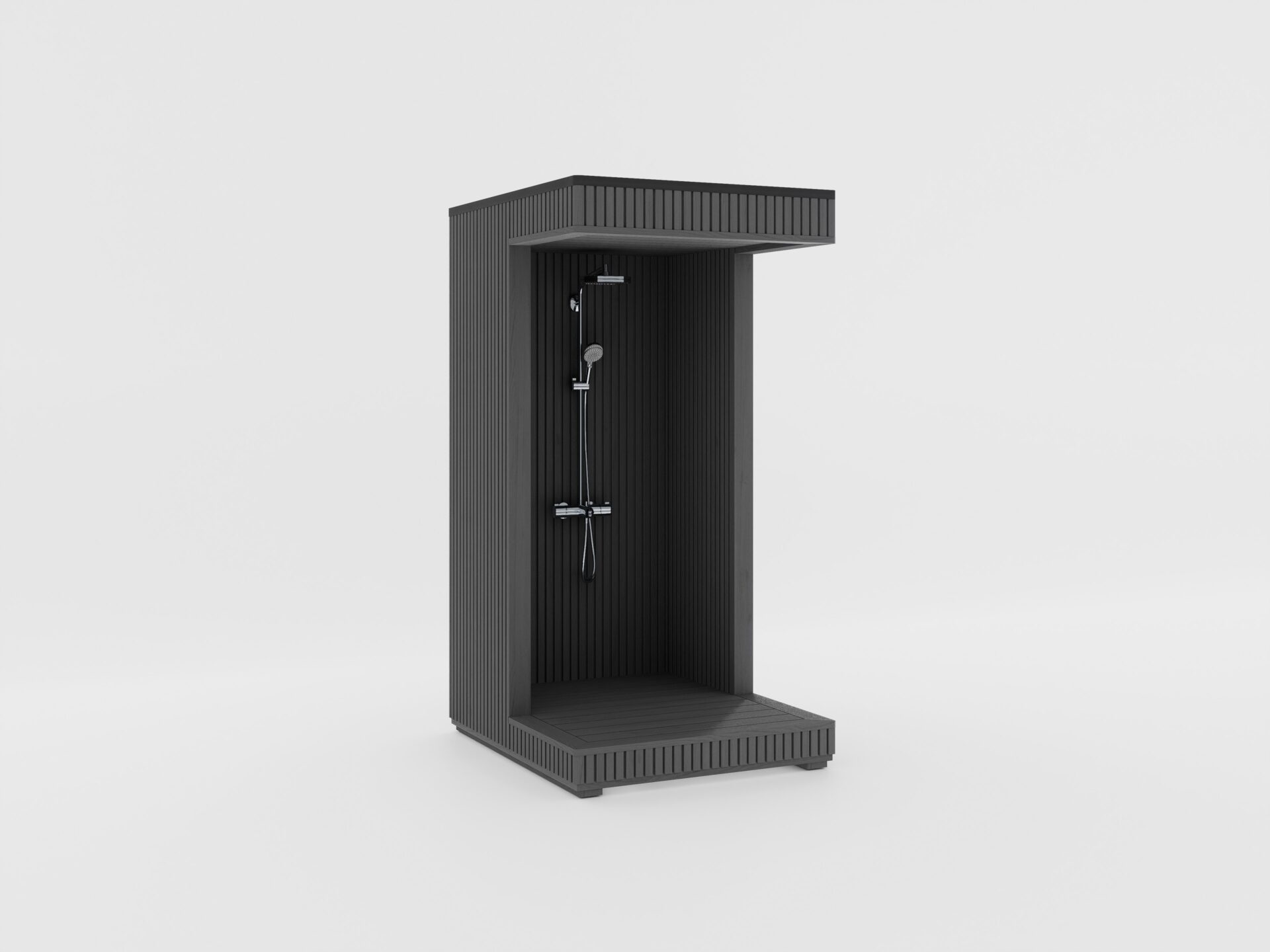
The KAI Outdoor Shower is designed as an architectural wooden structure with a relatively compact footprint. It can be configured in several timber finishes and complemented with different shower fittings, exterior lighting, a cold-water bucket or an instantaneous water heater.
For alternative design expressions, explore the BLUEBELLS Shower and FLOXGLOVE Shower.
How to Match an Outdoor Shower with a Sauna
The shower and sauna do not need to look identical, but they should share a visual language.
The easiest way to create a consistent design is to repeat two or three elements:
- Exterior timber species
- Wood treatment or colour
- Roofline or architectural proportions
- Metal finish
- Lighting temperature
- Decking material
- Screen spacing
- Black, bronze or mirrored glass details
Â
For example, a sauna finished in Thermo Pine can be paired with a shower using the same timber and gunmetal fixtures. A black Yakisugi sauna could be complemented by a darker shower structure with warm exterior lighting.
Repeating too many materials can make a small space feel busy. A restrained palette of timber, glass and one metal finish often creates the most timeless result.
Creating a Complete Backyard Wellness Space
A well-designed wellness garden is not defined by how many products it contains. It is defined by how naturally each part supports the ritual.
A complete outdoor wellness area may include:
- An outdoor sauna for heat
- An outdoor shower for rinsing and temperature transition
- An ice bath for cold immersion
- A hot tub for soaking and relaxation
- A sheltered terrace for rest
- Soft architectural lighting
- Storage for towels, robes and accessories
- Planting that provides privacy and connection with nature
Â
Before choosing individual products, think about movement through the space. Where will you leave a dry robe? Is the ground comfortable under bare feet? Can the shower be reached without crossing mud or slippery surfaces? Is there a private place to rest after using the sauna?
These small decisions often determine whether the wellness area is used occasionally or becomes part of everyday life.
For more inspiration, read Creating Your Own Private Wellness Retreat.
Outdoor Shower Installation Checklist
Before ordering or installing an outdoor shower, confirm the following:
- Intended use: rinsing, cooling or full showering
- Cold-only or mixed hot-and-cold water
- Distance from the water supply
- Drainage method
- Ground preparation
- Privacy from all viewing angles
- Wind and sun exposure
- Non-slip flooring
- Exterior-rated materials
- Lighting and electrical safety
- Frost protection
- Access for future maintenance
- Local plumbing and building regulations
Â
Planning these details early makes it easier to create a shower that looks integrated and functions reliably
Frequently Asked Questions
Is an outdoor shower worth it?
An outdoor shower can be highly practical when placed near a sauna, pool, hot tub, beach house or garden exercise area. It also adds a refreshing outdoor ritual and can help connect different parts of a backyard wellness space.
Do outdoor showers need drainage?
Yes. Even a simple rinse shower needs an appropriate way to manage water. The solution may range from a permeable gravel base to a connected drainage system, depending on water volume, soil conditions, local regulations and whether washing products are used.
Can an outdoor shower have hot water?
Yes. Hot water can be supplied from the house, a technical room or a compatible water-heating system. Pipe distance, insulation, energy supply and frost protection should be considered.
What is the best material for an outdoor shower?
There is no single best material. Thermally modified timber provides a warm, natural appearance, while stainless steel, exterior-rated tiles and stone offer durable complementary surfaces. The right combination depends on climate, design and maintenance expectations.
How close should a shower be to an outdoor sauna?
It should be close enough to reach comfortably after leaving the sauna, ideally through a private, non-slip route. It should not obstruct the sauna entrance or allow water to drain toward the building.
Can an outdoor shower be left outside all year?
The structure may remain outdoors, but the plumbing must be designed for the climate. In freezing regions, the water system should be isolated and drained or engineered specifically for winter use.
Should you shower before using an ice bath?
A quick shower can help keep the ice bath water cleaner, particularly when several people use it or when the plunge follows a sauna session.
Does an outdoor shower require planning permission?
Requirements vary by country and municipality. A simple open shower may be treated differently from an enclosed structure with permanent plumbing. Always check local building, drainage and privacy requirements.
Design Your Outdoor Wellness Ritual
An outdoor shower is one of the simplest ways to make a garden wellness area feel complete. It creates a natural transition between sauna heat, cold water and rest while adding comfort and architectural character to the landscape.
The most successful installations are planned as part of the complete environment. Water supply, drainage, privacy, materials and movement between each element should be considered together.
Explore the Celsium outdoor shower collection or discover the configurable KAI Outdoor Shower.
To plan a complete space around an outdoor sauna, shower, hot tub or cold plunge, contact the Celsium Wellness team.