Key takeaways

  • Organize a sauna in three zones: the hot room, a transition space for clothes and towels, and a cool-down area. Most clutter problems are a missing transition zone.
  • Almost nothing should be stored inside the hot room. Heat and humidity ruin textiles, and stored items block airflow.
  • Bench height is a layout decision, not a comfort decision. The gap between the top bench and the ceiling decides how much heat your upper body receives.
  • Use untreated, low-resin, low-conductivity timber for anything you touch. Metal fixings and hooks in the hot room become burn hazards.
  • Never block the air inlet near the heater or the outlet opposite it. Storage over a vent quietly wrecks the sauna’s performance.

“How do I organize my sauna” sounds like a tidying question and is actually a physics question. Where the benches go decides how the heat reaches you. Where the towels go decides whether they last a season or a decade. Where anything goes decides whether the air can still move the way the room was designed to make it move.

So this covers organizing a sauna in the useful sense: the layout that makes the heat work, the storage that keeps textiles out of the heat, and the short list of things that genuinely belong inside the hot room.


The three zones every sauna needs

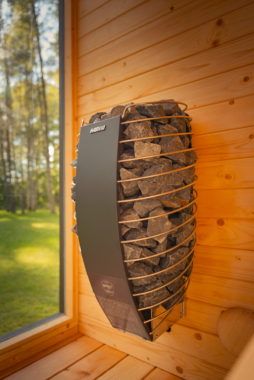
1. The hot room. Benches, heater, lighting, ventilation, and a very short accessory list. Nothing else.

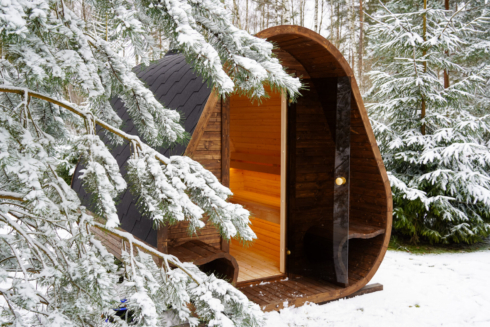
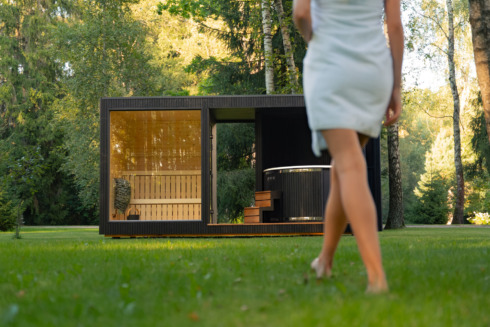
2. The transition zone. Where clothes, towels, robes and shoes live. Outside the hot room, dry, one step away rather than a walk away. Outdoors this is the porch or changing area; indoors a hook rail and a bench immediately outside the door will do. This is the zone people skip, and skipping it is exactly why accessories migrate into the hot room where they do not belong.

3. The cool-down area. Somewhere to sit and breathe between rounds. A bench, a shower, a plunge tub, or a chair and cold air.

If a sauna feels cluttered, the fix is almost always to build out zone two rather than to reorganize zone one.


Bench layout: the decision that shapes the session

Heat stratifies. Air near the ceiling is dramatically hotter than air near the floor, so bench height is not a comfort preference. It is how you choose your dose.

  • The top bench is the real sauna. Set it high enough that a seated adult’s upper body sits in the hot layer, with the head comfortably below the ceiling.
  • Keep the ceiling low. Sauna ceilings are deliberately lower than normal rooms. Height above the top bench is volume you heat and nobody uses.
  • Two levels beat one. A lower bench gives a gentler position, somewhere for feet, and an option for anyone who finds the top bench too much.
  • Leave lying-down length if you can. A bench long enough for one adult to lie flat changes the experience more than almost any other choice.
  • Respect heater clearances. Every heater specifies minimum distances to benches, walls and guards. Those are safety limits, not suggestions.

Settle layout before ordering anything: How to Build a Sauna


What belongs inside the hot room

ItemWhy it belongsNotes
Bucket and ladleLöyly, the steam from water on the stonesWooden or heat-safe. Empty after each session.
Thermometer and hygrometerRead the room instead of guessingHead height near the benches, away from the heater.
Headrest and backrestTurns a bench into somewhere you can stayRemovable, so the bench dries.
Sand or session timerPaces rounds without a phoneSand timers need no power and never overheat.
Duckboards or removable floor slatsWarm underfoot, protects the floor, lifts out to dryMust lift, or the floor underneath stays wet.
Bench towel or seat coverHygiene, and it protects the timberComes in with you, leaves with you.

What must stay out: stored towels and robes, cleaning products, anything flammable or pressurised, electronics and phones, cosmetics, candles, non-sauna-rated plastics.


Where to put storage

Storage lives outside the heat.

  • Towels and robes: hooks or a shelf in the transition zone, on the dry side of the door. Wooden pegs or rails, spaced so fabric breathes.
  • Shoes: a low bench or rack at the entry.
  • Spare accessories and oils: a closed cupboard in the transition zone, away from temperature swings.
  • Firewood: covered, ventilated, outside the hot room entirely, at whatever distance your heater and local fire rules require.
  • Cleaning kit: with the rest of your household cleaning supplies.

The structural warning: never place storage where it blocks a vent. The inlet is usually low, near the heater; the outlet is usually opposite. A shelf or basket over either degrades airflow, and the symptom is a room that feels stuffy and timber that dries unevenly. If you are not sure where yours are: Understanding Sauna Ventilation


Materials that survive the environment

MaterialUse it forWhy
Aspen, alder, lime, thermally modified timberBenches, backrests, pegs, handlesLow resin, low thermal conductivity, comfortable to touch hot
Untreated woodAny surface skin touchesVarnishes and sealants are not made for this environment
Heat-rated glass, stainless fixingsDoors, guards, structureSpecified for the range, kept out of skin contact where possible
Exposed metal hooks and handlesNothing you touchMetal reaches air temperature and burns skin
Non-sauna plasticsNothingDeform and off-gas
High-resin softwoodsNothing skin touchesResin bleeds at temperature

Organizing a small sauna

  1. Move storage out entirely. In a compact cabin the transition zone is not optional, it is what makes the hot room usable.
  2. Choose removable over fixed. Backrests, headrests and duckboards that lift out let one room serve two arrangements and dry properly.
  3. Go vertical outside, never inside. Hooks and shelving stack on the dry side of the door.

The two-minute reset

  • Empty the bucket, leave it upside down.
  • Take out towels, seat covers, backrests.
  • Lift or prop the duckboards so air reaches underneath.
  • Leave the door ajar and the vent open until the room has dried.

That last one does most of the work. A sauna that dries fully between sessions stays clean, smells right, and lasts.


Frequently asked questions


How should a sauna be organized inside?

Keep the hot room to benches, heater, lighting, ventilation and a short accessory list. Everything else, especially textiles, belongs in a dry transition zone outside the door.


Can you store towels in a sauna?

No. Repeated heat and humidity degrade fabric and encourage mildew, and stored textiles obstruct airflow.


Where should the bucket and ladle go?

Within reach of the benches, outside the heater’s clearances. Empty it after every session.


What should you not put in a sauna?

Cleaning products, aerosols, anything flammable or pressurised, electronics, cosmetics, candles, non-sauna plastics, and stored textiles. Also avoid exposed metal anywhere skin touches.


How high should sauna benches be?

High enough that a seated adult’s torso sits in the hot upper layer with the head below the ceiling, with two levels for a gentler option, always within heater clearances.


Does storage affect performance?

Yes. Blocking an inlet or outlet degrades ventilation, and items left on benches and floors stop the room drying between sessions.


Next step


More in this guide

How to Build a Sauna · Understanding Sauna Ventilation

This article is part of The Complete Guide to Home Saunas, Celsium’s full guide to choosing, building and owning one.

Dive Into The Blog

Subscribe to our newsletter

Be the first to hear about new saunas, wellness tips,

and exclusive offers.

Subscription Form
ContactForm

Choose Your Region

To ensure accurate pricing and delivery details, please confirm your location.

Continue

You can update this anytime from the menu.