Choosing between an insulated sauna and a solid wood sauna is one of the most important decisions in an outdoor sauna project. Both systems can create an authentic and enjoyable sauna experience, but they achieve it through different construction methods.
A solid wood sauna uses substantial interlocking timber profiles to form the walls. The timber itself creates the structure and remains visible from both sides. An insulated sauna is built as a layered system: structural framing, insulation, an internal sauna-rated vapour control layer, battens, interior panelling and weather-resistant exterior cladding.
Neither construction is automatically better for every project. The right choice depends on climate, expected use, architectural preferences, energy priorities, installation method, budget and the level of interior customisation required.
This guide compares both systems in detail and explains how Celsium’s Craft and Thermal sauna collections approach them. If you are planning the entire project from the beginning, first read our complete guide to building an indoor or outdoor sauna.
Insulated vs Solid Wood Sauna: The Main Differences
The clearest difference is the wall construction. A solid wood sauna uses interlocking timber profiles that form the structure as well as the visible interior and exterior wall surface. It does not contain a separate wall-insulation layer. This gives the sauna a natural, traditional character and can make factory preparation and on-site assembly comparatively straightforward.
An insulated sauna uses a timber frame combined with dedicated insulation and separate internal and external finishes. The walls, ceiling and usually the floor form a continuous insulated envelope. Sauna-grade interior panelling is installed inside, while the exterior can be finished with a wider selection of architectural cladding materials.
Solid wood sauna at a glance
A solid wood sauna is particularly attractive when the priorities are simplicity, natural timber character and efficient kit assembly. The structural timber normally remains visible inside and outside, creating a strong connection between the construction and the final appearance.
Its thermal performance depends on the timber thickness, accuracy of the joints, glazing, floor and roof construction, outdoor conditions and heater selection. It can be a strong choice for compact garden saunas, seasonal use and many moderate-climate locations.
Insulated sauna at a glance
An insulated sauna is designed for stronger heat retention, stable year-round performance and greater freedom of design. Because the interior panelling and exterior cladding are separate from the structural frame, different materials can be selected for each surface.
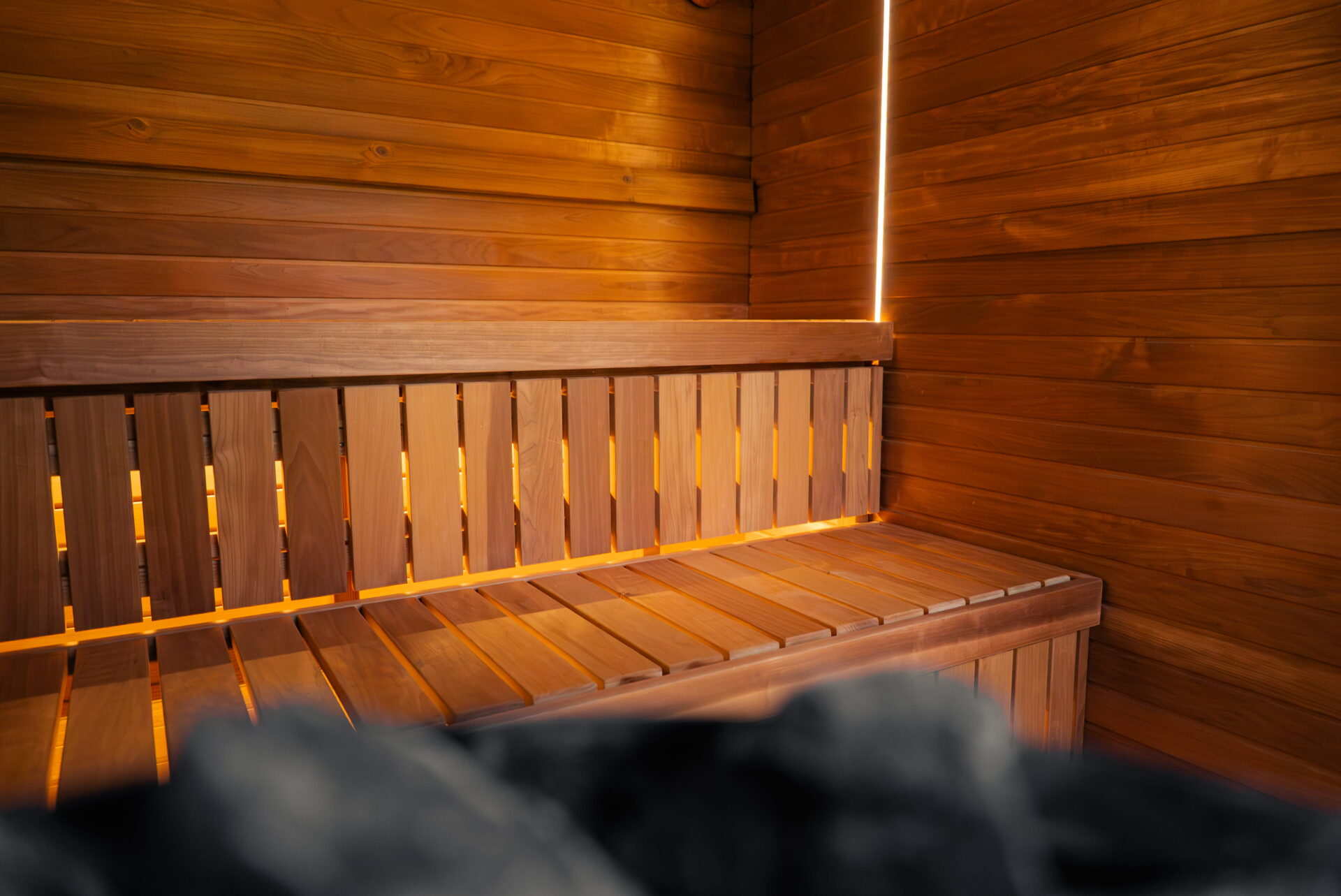
This construction is particularly suitable for demanding climates, frequent use, larger glazing areas and premium architectural projects. It also provides more flexibility for concealed wiring, indirect lighting, bespoke interiors and integrated lounge spaces.
These differences provide a useful starting point, but the final decision should be based on the complete building, heater, glazing, location and intended pattern of use—not the wall type alone.
What Is a Solid Wood Sauna?
A solid wood sauna is constructed from machined timber profiles that connect to form the walls. In a traditional interlocking system, each course engages with the next, creating a stable enclosure without a separate insulated wall cavity.
The wall performs several jobs at once:
- it forms the main structure;
- it encloses the sauna;
- it creates the visible interior surface;
- it creates the principal exterior timber surface;
- its mass contributes to the way the room warms and cools.
Â
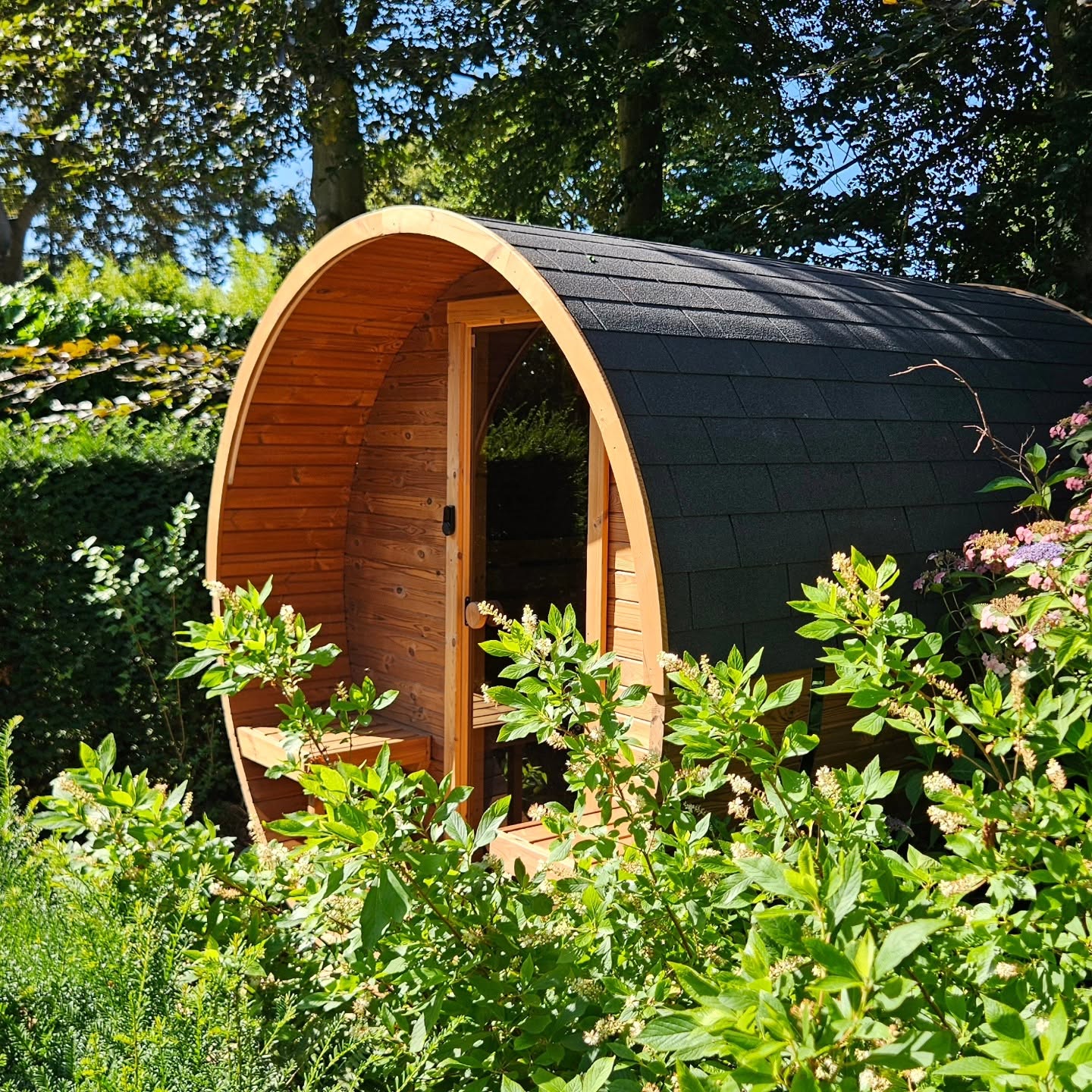
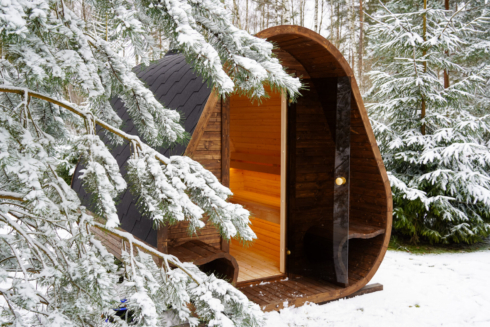
At Celsium, Craft saunas are built from 44 mm interlocking solid timber. There is no additional wall-insulation layer, and the same selected structural timber remains visible inside and outside. This creates a direct, natural expression with fewer layers between the user and the material.
Examples in the Celsium Craft collection include the ULA sauna series, Joris series, Herkus series and selected modular sauna systems.
How does a solid timber wall manage heat?
Solid timber is not insulation in the same way as a dedicated insulating material, but it slows heat movement and adds thermal mass. During warm-up, the wall absorbs part of the heat. Once warm, it contributes to a stable, natural sauna atmosphere.
Performance is influenced by more than timber thickness. Important factors include:
- the accuracy and tightness of the interlocking joints;
- door and window area;
- floor and roof construction;
- wind exposure;
- outdoor temperature;
- heater sizing;
- ventilation design;
- maintenance and settlement of the timber structure.
Â
This is why two visually similar solid wood saunas may perform differently in practice.
Advantages of a solid wood sauna
The most important advantages are simplicity and material authenticity. The wall construction is easy to understand, and the structural timber becomes the interior design rather than being concealed behind a separate lining.
Other advantages may include:
- fewer wall layers;
- efficient factory preparation;
- a comparatively direct assembly process;
- a warm, traditional timber appearance;
- natural visual continuity between inside and outside;
- suitability for compact and transportable sauna formats;
- less reliance on a concealed vapour-control system within the walls.
Â
For many homeowners, a solid wood sauna feels closest to the familiar image of a Nordic garden sauna: compact, natural and clearly crafted from timber.
Limitations of a solid wood sauna
The same qualities that give the system its simplicity can limit design freedom. Because the structural wall is also the interior and exterior finish, it is more difficult to combine one wood species inside with a completely different architectural material outside.
Solid timber also responds naturally to changes in moisture. It can expand, contract and settle over time. Doors, windows, trims and vertical attachments must therefore be detailed in a way that respects timber movement.
Compared with a fully insulated structure, warm-up time and heat loss may be affected more strongly by cold weather and wind. Whether that difference matters depends on how often the sauna is used, its size, local climate and the overall quality of the building.
What Is an Insulated Sauna?
An insulated sauna uses a timber-frame structure with several specialised layers. Each layer has a distinct purpose rather than asking one material to perform every function.
A typical internal-to-external wall build-up may include:
- sauna-grade interior panelling;
- ventilation or service battens;
- sauna-rated aluminium vapour control layer;
- structural timber frame filled with suitable insulation;
- external sheathing or weather-control layers as required by the design;
- a ventilated cavity;
- exterior cladding.
Â
Exact specifications vary with the building system and climate. The roof, floor, glazing and junction details must be coordinated with the walls to create a continuous thermal and moisture-control envelope.
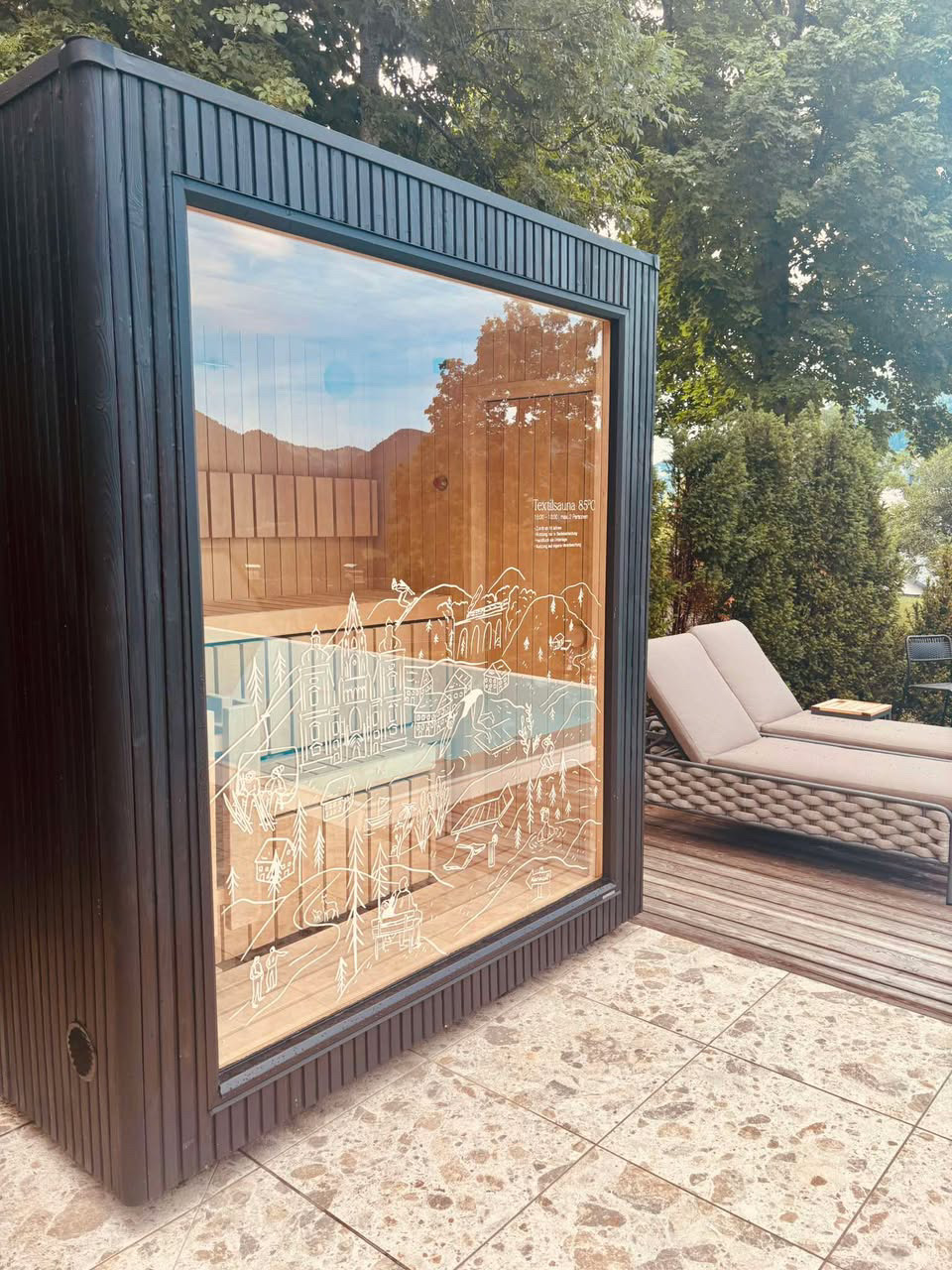
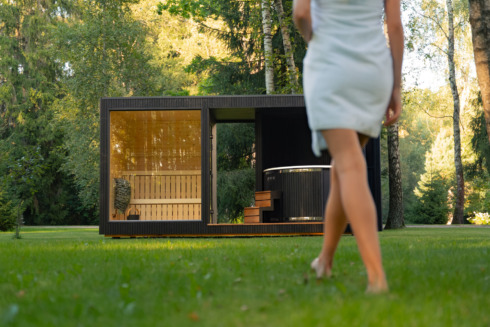
Celsium Thermal saunas are insulated through the floor, walls and roof. Interior options include Aspen, Thermo Aspen and Black Alder. Exterior options include Thermo Pine, Thermo Radiata Pine, Thermo Ash and Yakisugi, also known as Shou Sugi Ban.
Examples include the Jonas sauna series, Else series and Tauras series.
How does an insulated sauna retain heat?
Dedicated insulation reduces heat transfer through the building envelope. The internal aluminium layer helps control warm, moisture-laden air and, when correctly installed, supports an efficient internal environment.
The result is generally more predictable performance across changing outdoor conditions. However, insulation alone does not guarantee an efficient sauna. Weak points such as excessive glazing, unsealed penetrations, thermal bridges, poorly fitted doors or incorrect ventilation can still reduce performance.
The most effective insulated sauna is designed as one complete system rather than a collection of unrelated materials.
Advantages of an insulated sauna
An insulated sauna provides greater control over both performance and appearance. Because the internal lining is separate from the structural frame and exterior cladding, each surface can be selected for its own role.
Key advantages include:
- improved heat retention and more consistent all-season performance;
- a wider choice of interior sauna woods;
- greater freedom in exterior architecture and colour;
- easier integration of concealed wiring and indirect lighting;
- flexibility for large glazing, lounge areas and complex layouts;
- suitability for premium residential and commercial projects;
- a stable construction approach for frequent year-round use.
Â
This system is particularly valuable when the sauna must visually match modern architecture or when the exterior needs a finish that would not be appropriate as an internal hot-room surface.
Limitations of an insulated sauna
An insulated sauna has more components and more concealed junctions. That creates a greater need for precise design and workmanship.
If the vapour-control layer is punctured or poorly sealed, humid air may enter colder parts of the structure. If exterior weather protection or ventilation cavities are incorrectly detailed, moisture may become trapped. These defects may remain hidden until they cause visible damage.
An insulated system therefore requires:
- accurate production drawings;
- careful sealing of overlaps and penetrations;
- correct coordination of interior and exterior moisture layers;
- suitable high-temperature materials;
- experienced installation;
- access to components that may require future service.
Â
The system may also have a higher initial cost because it uses more materials and manufacturing stages.
Heat Retention and Warm-Up Time
People often assume that an insulated sauna will always heat faster. In many cases it will retain heat more effectively, but actual warm-up time depends on the entire room.
The most important variables are:
- internal volume;
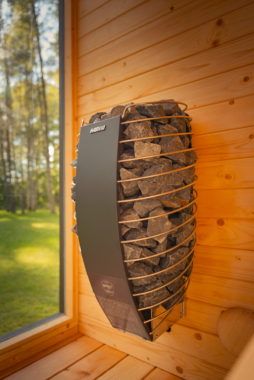
- heater power and stone capacity;
- starting temperature;
- insulation continuity;
- glass area;
- door construction;
- ventilation rate;
- amount and type of internal timber;
- desired bathing temperature.
Â
A compact solid wood sauna with a correctly sized heater and modest glazing may warm efficiently. A large insulated sauna with a full glass façade may require more energy simply because it has greater volume and more uninsulated surface.
For this reason, compare complete sauna specifications rather than judging performance from the wall construction alone.
Energy Efficiency and Running Costs
An insulated envelope normally reduces heat loss during warm-up and use, which can be valuable when a sauna operates frequently, remains hot for long sessions or is installed in a cold and windy location.
Solid wood saunas can still be efficient when they are compact, well made and appropriately used. If the sauna is heated occasionally for shorter residential sessions, the additional investment in a more complex insulated structure may not always be justified by energy savings alone.
Running costs depend on local electricity or firewood prices and the way the sauna is used. Consider:
- sessions per week;
- average heating duration;
- number of consecutive users;
- seasonal outdoor temperatures;
- heater controls and scheduling;
- door-opening frequency;
- maintenance of heater stones and ventilation.
Â
For more detail, read our guide to energy-saving home saunas.
Which Sauna Is Better for Cold Climates?
For exposed sites and regions with long, cold winters, a fully insulated sauna is often the more predictable choice. Insulated walls, floor and roof reduce the influence of outdoor temperatures and make frequent year-round use easier to manage.
The benefit becomes more important when the project includes:
- a larger hot room;
- extensive glazing;
- a changing room or lounge;
- long commercial operating hours;
- strong wind exposure;
- strict energy-performance targets.
Â
A solid wood sauna is not automatically unsuitable for cold climates. Nordic sauna traditions include many solid timber structures. The decision depends on wall thickness, construction quality, sauna size, heater selection and intended use.
If the sauna is compact and used as a seasonal or occasional retreat, solid timber may remain a practical and appealing solution. If it will be used every day throughout winter, an insulated system may offer better operational consistency.
Read How to Choose the Right Backyard Sauna for Your Climate before finalising the structure.
Moisture, Vapour Control and Drying
Traditional saunas experience short periods of high temperature and changing humidity. The construction must manage both conditions without trapping moisture.
Solid wood construction
In a solid wood sauna, there is no concealed insulated wall cavity. The timber wall itself is visible and can dry towards its surfaces. Correct ventilation, roof protection and external maintenance remain essential.
Because solid timber moves, the design must accommodate settlement and dimensional change around doors, windows, vertical trims and fixed equipment.
Insulated construction
In an insulated sauna, the internal vapour-control layer must be continuous. Overlaps, corners and penetrations should be sealed with compatible products. Internal battens create a service cavity and fixing zone for the panelling while reducing unnecessary punctures through the foil.
The exterior side needs a separate, climate-appropriate weather and drying strategy. Internal foil does not replace external weather protection, and an exterior membrane should not be selected without considering the complete moisture profile of the wall.
Both systems require properly designed airflow. See our detailed guide to sauna ventilation.
Interior and Exterior Design Freedom
This is one of the clearest differences between the two construction types.
With a solid wood sauna, the wall material defines both sides of the building. Surface treatments and details can change its character, but the fundamental timber expression remains.
An insulated sauna allows the designer to separate the interior atmosphere from the exterior architecture. For example, the interior may use light Aspen while the exterior uses dark Yakisugi. Thermo Aspen can create a warm internal tone, while Thermo Ash or Thermo Radiata Pine provides a distinctive façade.
This flexibility also makes insulated construction suitable for:
- hidden doors;
- integrated lighting;
- bespoke glazing arrangements;
- coordinated lounge and hot-room interiors;
- contemporary façade systems;
- projects designed to match a house, hotel or landscape concept.
Â
Explore the material and construction options in Celsium Design & Build.
Installation and Assembly
Solid wood sauna kits often use numbered, machined components and interlocking wall profiles. Once the base is level and square, assembly can progress in a logical sequence. The roof, floor, glazing, electrical work and heater still require careful installation.
The main installation considerations include:
- confirming the foundation dimensions;
- keeping the first wall course square;
- protecting components from rain during assembly;
- allowing for timber settlement;
- applying approved exterior finishes;
- maintaining heater and chimney clearances.
Â
An insulated sauna may arrive as factory-prepared panels or as a more complete modular structure. Panelisation can make site assembly efficient, but the joints between panels must preserve the thermal, vapour and weather-control layers.
Installation should follow the manufacturer’s drawings rather than generic online details. Electrical connections, heater installation and chimney work must be completed or approved by qualified professionals according to local requirements.
Maintenance and Expected Service Life
Both systems can provide many years of use when correctly designed and maintained. The main threats are persistent moisture, failed roof details, poor ventilation and neglected exterior surfaces.
Solid wood sauna maintenance
Inspect:
- interlocking wall joints and settlement;
- door and window operation;
- exterior coatings and end grain;
- roof drainage and splashback near the base;
- cracks or gaps that affect weather resistance;
- internal cleanliness and drying.
Â
Natural checking in timber does not always indicate structural failure, but significant changes should be assessed.
Insulated sauna maintenance
Inspect:
- roof, flashings and exterior cladding;
- ventilated cavities and drainage openings;
- sealant joints around glazing;
- ventilation performance;
- service penetrations and accessible foil junctions;
- interior lining and bench condition.
Â
Hidden wall layers cannot be inspected routinely, which makes correct construction and early attention to leaks particularly important.
Cost: Which Construction Is More Expensive?
An insulated sauna is usually more material- and labour-intensive. It requires framing, insulation, foil, tapes, battens, interior panelling, exterior layers and additional junction detailing. Premium interior and exterior material combinations can further increase the price.
A solid timber structure uses fewer wall components, but cost still depends on timber quality, profile thickness, machining, glazing, roof type, heater and overall design.
When comparing quotations, check whether each price includes:
- foundation or base frame;
- floor and roof insulation;
- interior and exterior finishing;
- glazing and door;
- heater and stones;
- controls and electrical work;
- lighting;
- transport and unloading;
- assembly;
- taxes and permits.
Â
The lowest initial price does not always represent the lowest long-term cost. Consider expected usage, maintenance, energy consumption and the value of design flexibility.
Celsium Craft vs Thermal Saunas
Celsium separates the two construction approaches into clear collections.
Celsium Craft saunas
Craft saunas focus on traditional solid timber construction and natural character.
Key characteristics:
- 44 mm interlocking solid timber walls;
- no additional wall insulation;
- the selected structural timber remains visible inside and outside;
- efficient kit-based assembly;
- compact and architectural forms;
- authentic timber-led atmosphere.
Â
Celsium Thermal saunas
Thermal saunas focus on fully insulated construction, all-season performance and design flexibility.
Key characteristics:
- insulated floor, walls and roof;
- separate premium interior panelling;
- broad choice of exterior cladding;
- stronger heat retention;
- greater flexibility for glazing, lighting and layouts;
- suitability for demanding climates and frequent use.
Â
Which Sauna Construction Should You Choose?
Choose a solid wood sauna if you value:
- natural timber character;
- a straightforward construction system;
- efficient kit assembly;
- a compact garden sauna;
- continuity between interior and exterior materials;
- seasonal or moderate-frequency residential use.
Â
Choose an insulated sauna if you value:
- year-round performance in demanding weather;
- improved heat retention;
- frequent residential or commercial use;
- separate interior and exterior material choices;
- larger glazing or more complex layouts;
- a premium architectural appearance;
- integration with a lounge or complete wellness space.
Â
If both approaches suit the project, the decision may ultimately come down to aesthetic preference. Some people want to see and feel the structural timber. Others prefer the precision and material freedom of a layered architectural system.
Frequently Asked Questions
Is an insulated sauna always better than a solid wood sauna?
No. An insulated sauna generally offers stronger heat retention and more design flexibility, while a solid wood sauna offers simplicity and authentic timber character. The better option depends on climate, size, usage and budget.
Can a solid wood sauna be used in winter?
Yes, provided it is well constructed, correctly sized and fitted with an appropriate heater. In very cold or exposed locations, warm-up time and energy use may be more affected than in a fully insulated sauna.
Does a solid wood sauna need a vapour barrier?
A traditional interlocking solid wood wall does not use the same internal foil build-up as an insulated framed wall. The complete floor, roof and junction details should follow the sauna manufacturer’s system.
Does an insulated sauna need aluminium foil?
An insulated traditional sauna generally uses a sauna-rated aluminium vapour control layer on the warm side of the insulation. It must be sealed continuously using compatible materials.
Which sauna heats up faster?
An insulated sauna often reduces heat loss, but warm-up time also depends on room volume, heater power, glazing, ventilation, internal materials and outdoor temperature. Compare complete specifications rather than wall type alone.
Which construction is better for a commercial sauna?
Insulated construction is often preferred for long operating hours, frequent use and demanding energy targets. The complete structure, ventilation and heater system must be designed for the expected commercial load.
Can I customise the interior of a solid wood sauna?
Yes, but the structural timber wall normally remains the primary internal finish. An insulated sauna provides greater freedom to select different interior panelling, bench woods and exterior cladding.
Which system requires less maintenance?
Neither is maintenance-free. Solid wood requires attention to timber movement and exterior protection. Insulated saunas require careful maintenance of the roof, façade, glazing and ventilation to protect concealed wall layers.
Final Recommendation
The choice between an insulated sauna and a solid wood sauna is not a choice between good and bad construction. It is a choice between two different priorities.
A solid wood sauna celebrates directness: substantial timber, traditional assembly and a natural atmosphere. An insulated sauna prioritises controlled performance: a complete thermal envelope, greater material freedom and more predictable year-round operation.
Begin with your climate and intended usage, then consider design, installation and long-term ownership. Once these priorities are clear, the right construction system usually becomes obvious.
Explore all Celsium outdoor saunas, compare the systems in Design & Build, or contact the Celsium team to discuss your location, dimensions, preferred materials and delivery requirements.
Designed and manufactured in Europe. Crafted since 1994. Delivered worldwide.
Mechanical Ventilation: The Overlooked Upgrade
Construction decides how a sauna holds heat. Ventilation decides how the air inside it feels, and it is the most frequently overlooked part of the specification.
Natural ventilation relies on passive airflow through an inlet and an outlet. It works, it is what most saunas have, and its weakness is consistency: airflow varies with wind, door use and outside temperature, so oxygen levels drift and the air can start to feel heavy late in a session.
Mechanical ventilation drives the air exchange rather than hoping for it. The result is controlled circulation, a steady supply of fresh air and more even heat distribution through the cabin.
What that changes in practice: breathing feels easier, sessions stay comfortable for longer, and the heat is even from one end of the bench to the other. It is the difference between a room that is merely hot and one you actively want to stay in.