Key takeaways

  • Self-building is genuinely cheaper on materials. The gap narrows once you count tools, wastage, the heater, certified electrical work and your own time at any realistic value.
  • The four places where DIY builds go wrong are insulation, vapour control, ventilation and heater sizing. All four are hidden, and all four are expensive to fix afterwards.
  • Build time for a competent first-time self-builder is usually measured in weeks of evenings and weekends, not days.
  • The real difference you pay for is transferred risk: a warranty, a specification that has been tested, and someone else carrying the consequences of a mistake.
  • If you have built before, have the tools, and the design is simple, building is a legitimately good answer. This guide will say so.

Let us start where an honest comparison has to start: you can build a sauna yourself, and if you are handy, you can build a good one. Anyone who tells you otherwise is selling something.

The question worth answering is not whether you can. It is what the difference actually costs, in money, in time, and in the risk you take on. So here is the comparison without the thumb on the scale.


The cost comparison, honestly assembled

Self-build costs are not one number, they are a stack, and the stack is where estimates go wrong.

Cost lineSelf-buildBought
Structural materialsYour cost, at retailIncluded
Interior timberYour cost, plus wastageIncluded
Insulation and vapour barrierYour costIncluded
Heater and stonesSimilar either wayUsually included or specified
Door and glazingOften the surprise lineIncluded
Fixings, tools, consumablesFrequently underestimatedNot applicable
Certified electrical workSame either waySame either way
Base and groundworkSame either waySame either way
DeliveryMaterials deliveryCabin delivery, may need equipment
Wastage and mistakesReal, and unpredictableCarried by the manufacturer
Your timeUsually counted as zeroNot applicable
WarrantyNoneIncluded

The materials gap is real and it is meaningful. What closes it is the bottom half of that table: tools you buy once for one project, the timber you cut wrong, the certified electrical work you need either way, and the weeks.


The time comparison

For a competent first-time self-builder working evenings and weekends, a straightforward outdoor sauna is typically a project of several weeks, not days. The stages that take longest are rarely the ones people expect: setting out and base preparation, and the slow careful work of insulation, vapour barrier and battens, which cannot be rushed because it is the part you cannot inspect later.

A delivered cabin compresses that to a delivery and an assembly window. Whether that difference is worth money depends entirely on what your weekends are worth to you, which is a genuinely personal calculation.


The four places DIY builds actually fail

Not the joinery. Almost nobody fails at the joinery.

1. Vapour control. A sauna needs a continuous vapour barrier on the warm side of the insulation, correctly lapped and sealed. Gaps let moisture into the structure, where it condenses and stays. The failure is invisible for years and then it is a wall.

2. Insulation. Under-insulated saunas cost more to run for their whole life and never quite feel right. Insulation that gets wet during the build never recovers.

3. Ventilation. Inlet and outlet positions are not decorative. Get them wrong and the room feels stale, dries unevenly and ages faster.

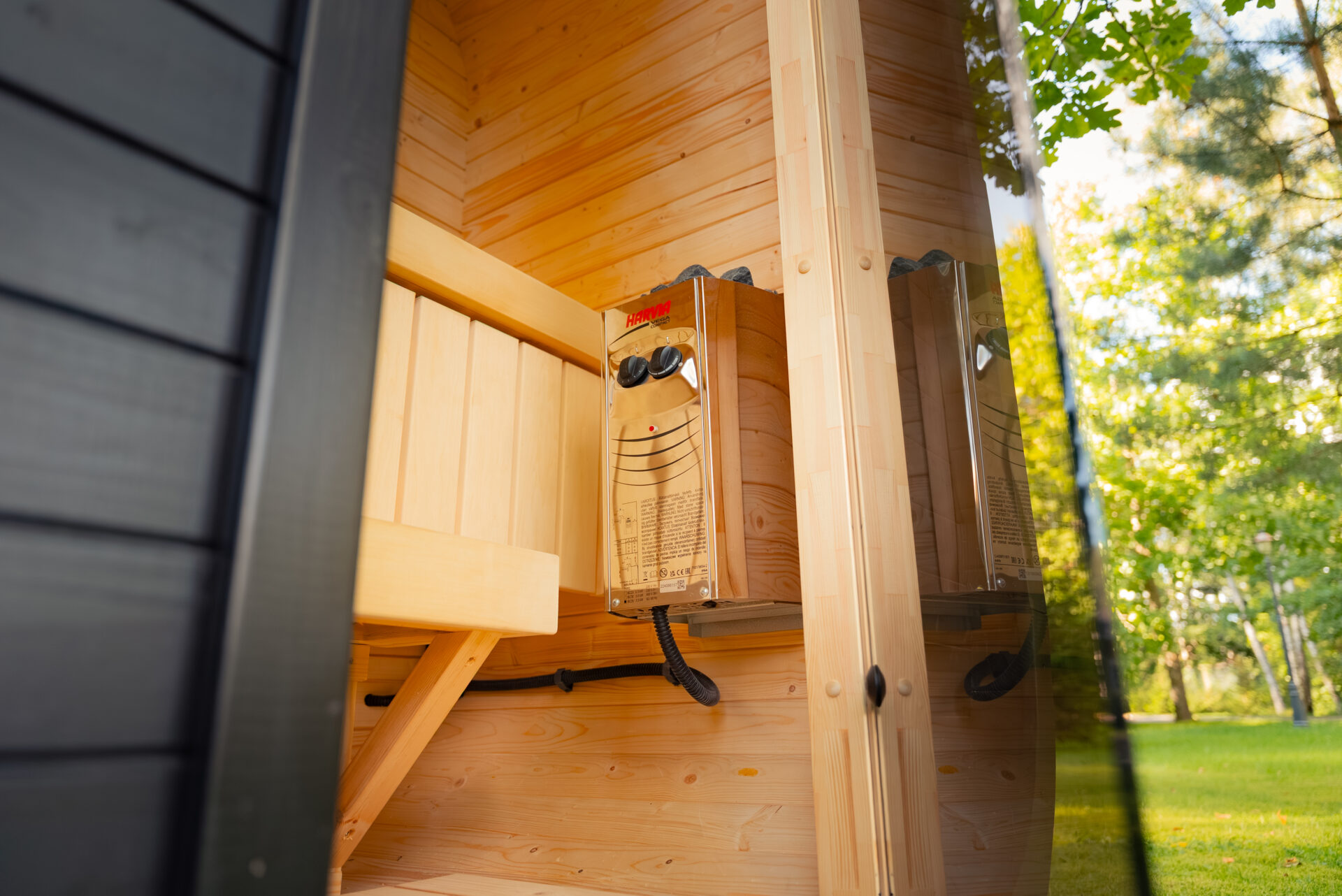
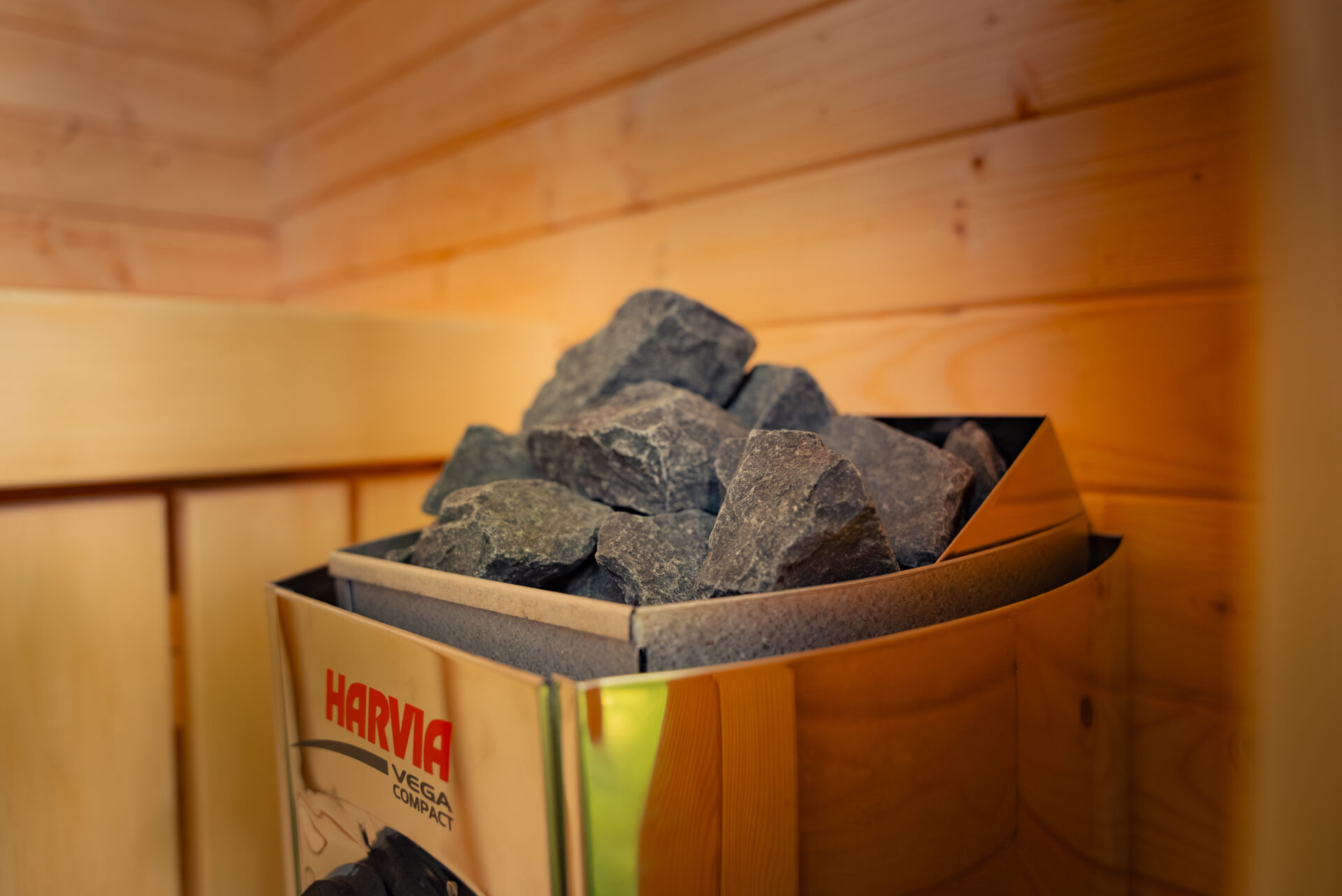
4. Heater sizing. Sized to cabin volume, adjusted for glass area and uninsulated surfaces. Undersized never gets there; oversized cycles badly and stresses the room.

Every one of those is hidden behind a finished surface. That is the actual risk you are pricing.


What you are buying when you buy

  • A specification that has been built more than once. The vapour detail, the ventilation positions and the heater match have been resolved already.
  • A warranty. Someone else carries the cost of a fault.
  • Compressed time. Weeks become days.
  • Predictability. A known price and a known date, instead of a stack that grows.
  • Resale. A recognised manufactured cabin holds value in a way a self-build generally does not.

When building yourself is the right answer

Genuinely, and worth saying plainly:

  • You have built before and own the tools.
  • The design is simple and you are not trying to do something structurally ambitious.
  • You have the time and you enjoy the process. For a lot of people the build is part of the point.
  • You are working within an existing building, converting a room, where a prefabricated cabin does not fit anyway.

If that is you, How to Build a Sauna is the detailed guide, and it holds nothing back.


When buying is the right answer

  • You want it working this season rather than next.
  • You are not confident about vapour control and ventilation, and you would rather not learn on the thing you will use for twenty years.
  • The design you want involves large glazing, complex geometry or a finish like charred timber that is difficult to execute at home.
  • You want a warranty and someone to call.

Frequently asked questions


Is it cheaper to build a sauna or buy one?

Cheaper on materials, yes. The gap narrows once you include tools, wastage, the heater, certified electrical work and your time. On a simple design with existing tools and skills, self-building is genuinely cheaper.


How long does it take to build a sauna yourself?

For a competent first-time builder working evenings and weekends, several weeks is realistic for an outdoor cabin, plus base preparation.


What is the hardest part of building a sauna?

Not the carpentry. Vapour control, insulation, ventilation and heater sizing, because all four are hidden once finished and all four are expensive to correct.


Do I still need an electrician if I build it myself?

Yes. Sauna heaters need proper supply and certified installation in most jurisdictions, regardless of who built the cabin.


Does a self-built sauna add value to a house?

Less reliably than a manufactured one, and it depends heavily on build quality and whether it was properly certified.


Can I buy a kit as a middle option?

Yes, and for many people it is the right answer: the specification is resolved, the components are matched, and you still do the assembly.


Next step


More in this guide

How to Build a Sauna · Buying a Premium Sauna When You Could Build One Yourself · How Much Does a Home Sauna Cost in 2026?

This article is part of The Complete Guide to Home Saunas, Celsium’s full guide to choosing, building and owning one.

Dive Into The Blog

Subscribe to our newsletter

Be the first to hear about new saunas, wellness tips,

and exclusive offers.

Subscription Form
ContactForm

Choose Your Region

To ensure accurate pricing and delivery details, please confirm your location.

Continue

You can update this anytime from the menu.