Delivery
We deliver Celsium products worldwide and take care of the entire process: transport, customs clearance, import duties and taxes. There is nothing for you to arrange or pay on delivery.
Complimentary delivery
Complimentary delivery is available to selected European countries:
United Kingdom
A home sauna typically costs between €3,000 and €30,000+, depending on whether it is an indoor cabin, an outdoor sauna or a fully customised architectural project. The sauna itself is only one part of the investment. Site preparation, electrical work, delivery, assembly, heating equipment and optional features can all change the final price.
For many homeowners, the most useful question is not simply “How much does a sauna cost?” but:
What will my complete, ready-to-use sauna project cost at my property?
This guide breaks down the full home sauna cost, explains the largest price factors and shows how to compare quotations accurately.
Home sauna cost at a glance
The following figures are broad 2026 planning ranges. Final prices vary by country, specification, taxes, access conditions and installation requirements.
Compact indoor infrared sauna: €3,000–€10,000. This type is well suited to apartments, bathrooms, gyms and smaller wellness rooms.
Indoor traditional sauna: €6,000–€18,000. It is a strong option for home spas, bathrooms and dedicated wellness interiors.
Compact prefabricated outdoor sauna: €5,000–€12,000. This range is most relevant to smaller gardens and first-time sauna owners.
Premium insulated outdoor sauna: €12,000–€25,000. It is designed for frequent, year-round use and performs particularly well in colder climates.
Custom-built sauna: €20,000–€50,000+. Custom construction is generally selected for architectural homes, hotels and bespoke wellness projects.
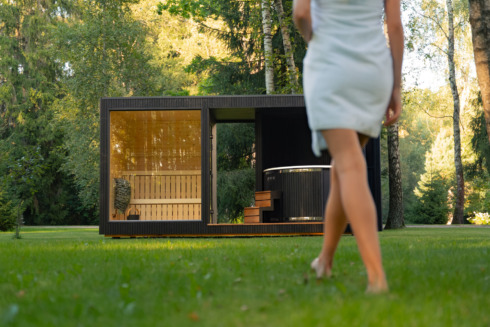
Sauna combined with a lounge or hot tub: €20,000–€40,000+. This option creates a more complete private spa or hospitality experience.
Short answer: a realistic budget for a high-quality home sauna usually includes the cabin, heater, delivery, base, utilities and commissioning—not only the advertised starting price.
Seven factors usually have the greatest effect on the final home sauna price:
Sauna type: indoor, outdoor, traditional, infrared or hybrid.
Size and capacity: a two-person cabin requires fewer materials and less heating power than a lounge model for six or eight people.
Construction: frame-built, log, modular and fully insulated thermal saunas have different material and production requirements.
Interior and exterior materials: timber species, thermal modification, wall profiles and finishes affect appearance, durability and cost.
Glass area: panoramic glazing creates openness and architectural impact but can increase both the build price and heater requirement.
Heating system: electric, wood-burning, infrared and hybrid systems require different equipment and installation work.
Delivery and site work: foundations, crane access, electrical supply, drainage and local approvals are property-specific.
This is why two saunas of a similar external size can have very different prices
Indoor sauna cost
An indoor home sauna commonly costs about €3,000 to €18,000, while a larger or fully customised interior installation can exceed that range.
Indoor saunas often avoid the need for an external foundation, weatherproof roof and long-distance utility trenching. However, the room still needs suitable flooring, electrical capacity, ventilation and moisture-aware detailing.
Typical indoor sauna costs
Compact infrared cabin: approximately €3,000–€10,000.
Traditional indoor sauna cabin: approximately €6,000–€18,000.
Electrical and ventilation work: approximately €500–€3,000+, depending on the existing services and installation requirements.
Interior room preparation: approximately €500–€5,000+, depending on flooring, wall construction and moisture management.
Bespoke joinery or architectural integration: priced individually according to the project.
An infrared sauna may be simpler to integrate because it operates differently from a traditional high-temperature sauna. A traditional sauna offers the classic hot-rock and löyly experience, but heater sizing, ventilation and heat-resistant construction must be properly planned.
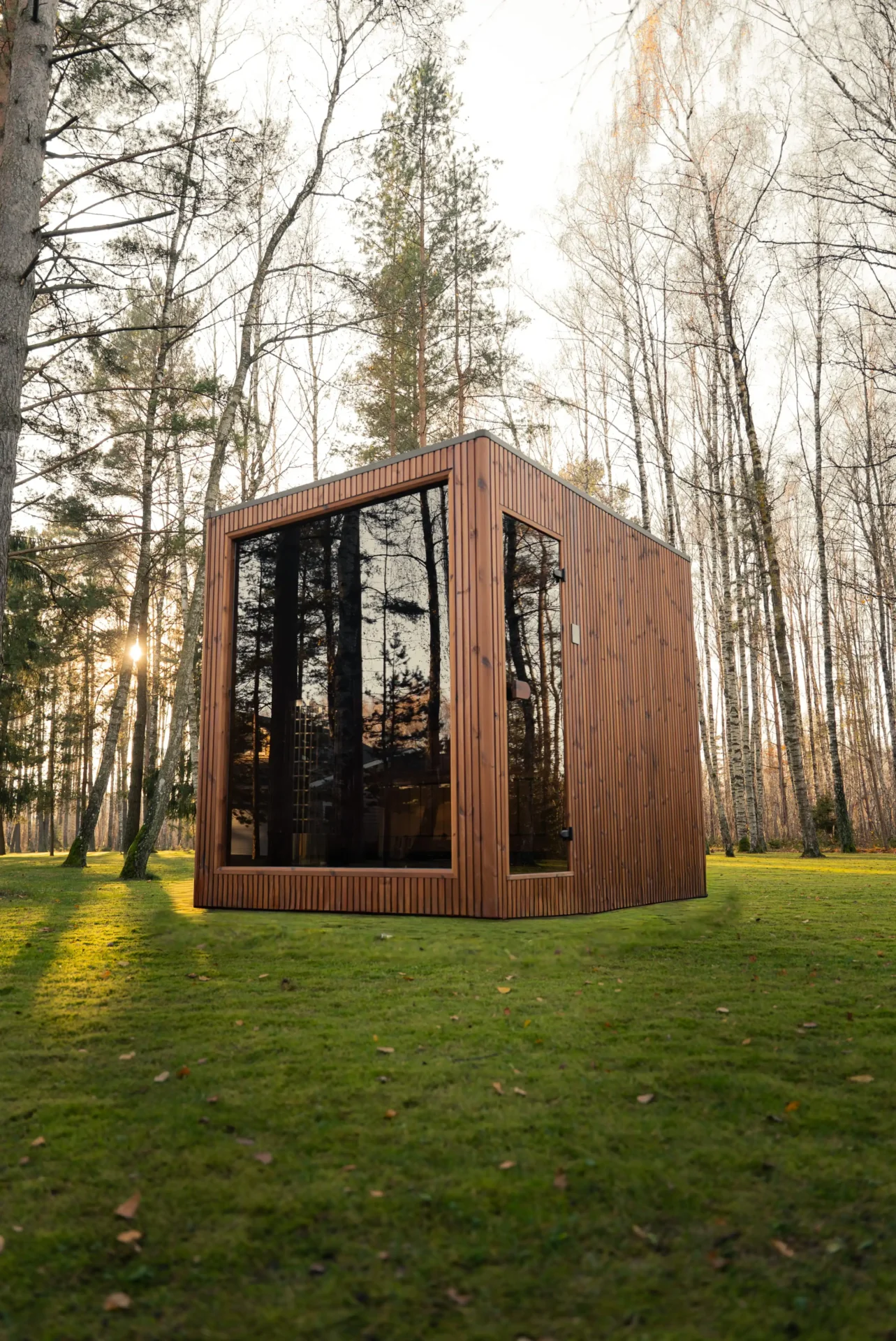
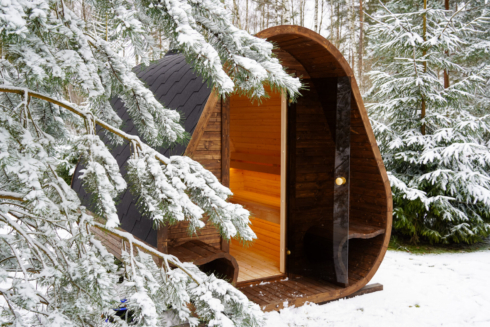
An outdoor home sauna typically costs about €5,000 for a compact prefabricated model to €25,000 or more for a premium, fully insulated sauna. Larger models with lounges, panoramic glass or integrated hot tubs can exceed €30,000.
Outdoor sauna prices vary widely because the structure must do more than create heat. It may also need to withstand rain, snow, wind, seasonal temperature changes and ground movement.
What is normally included in an outdoor sauna price?
Depending on the manufacturer and quotation, the base product may include:
the timber structure;
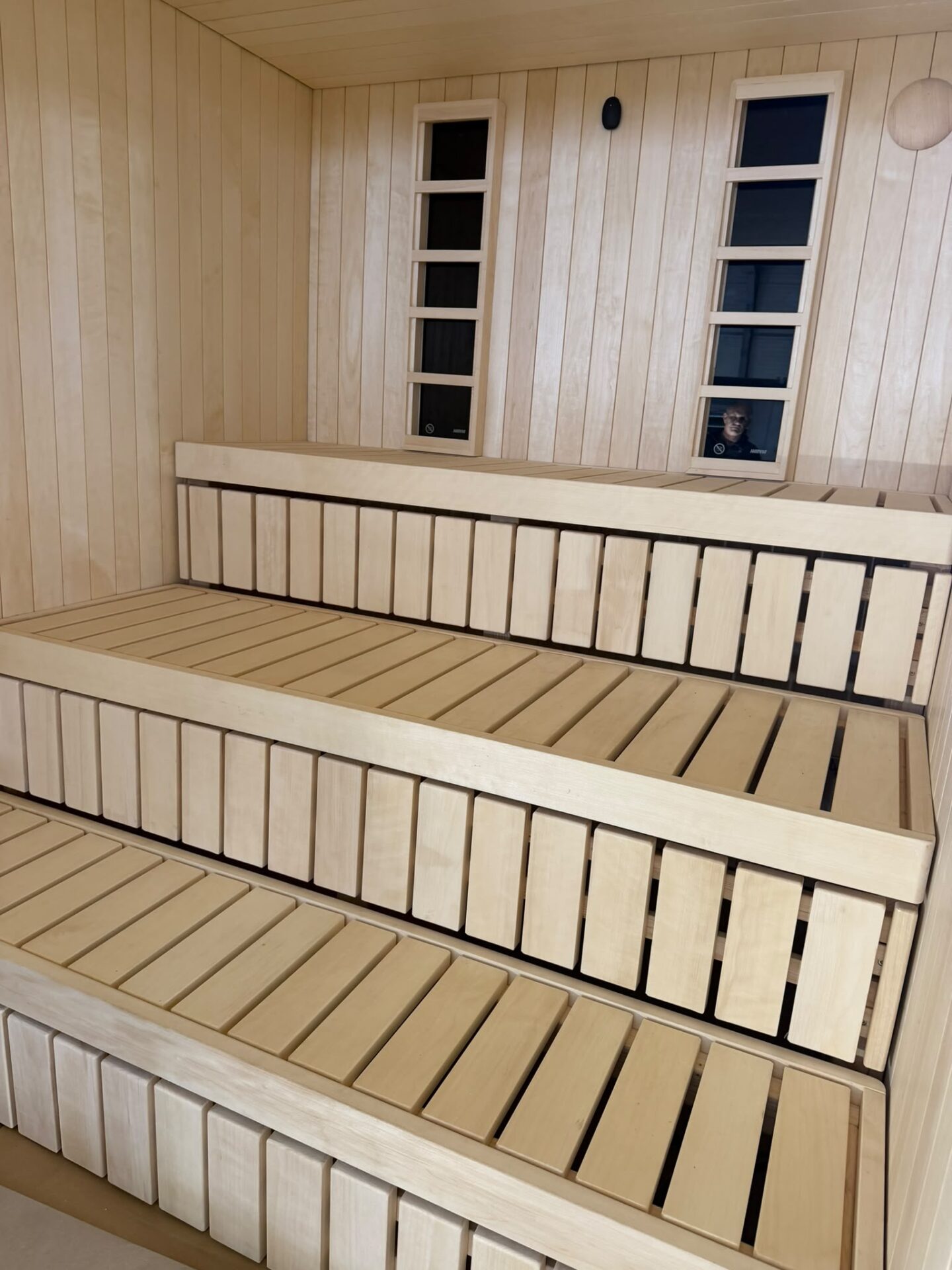
interior wall and bench materials;
doors and specified glazing;
roof construction;
ventilation openings;
basic lighting;
factory assembly or a kit for on-site assembly.
The heater, sauna stones, control system, delivery, crane, foundation and electrical connection may be separate. Always request an itemised quotation.
A prefabricated sauna is usually more affordable and predictable; a custom sauna offers greater freedom in dimensions, materials and architectural integration.
Prefabricated sauna
A prefabricated sauna usually sits in the lower-to-middle price range. Because its principal dimensions and construction details have already been developed, the price is more predictable and delivery is normally faster. Buyers select from defined models and curated material options, making this route particularly suitable for straightforward residential projects
Custom-built sauna
A custom-built sauna usually sits in the middle-to-premium price range. Its dimensions, materials and technical solutions are developed around the architecture and site. This provides greater design freedom but requires more design coordination, which can extend the project schedule and make the final price dependent on the approved specification. Custom construction is best suited to signature homes, hotels and complex wellness projects.
A pre-designed model does not necessarily mean a basic product. Exterior finish, glazing, heater, interior timber, lighting and controls may still be configurable. Custom work becomes valuable when a sauna must follow a particular building line, view, interior concept or commercial operating requirement.
The heating method affects both the initial sauna cost and the way the space must be designed.
Traditional electric sauna
A traditional electric sauna heats the room air and sauna stones. The total price depends on heater output, controls, electrical installation and room construction.
As a broad technical rule, heater selection depends on sauna volume and heat-loss surfaces. Harvia notes that approximately 1 kW of heater power per cubic metre may be needed as a starting point, while glass, stone and other non-insulated surfaces increase the calculated requirement. Final sizing should always follow the heater manufacturer’s instructions and the sauna design.
Wood-burning sauna
A wood-burning heater creates a traditional off-grid atmosphere, but the complete installation may require a chimney, heat shielding, fire-safe clearances and local approval. Those items can make the total installation more expensive even when the stove itself appears competitively priced.
Infrared sauna
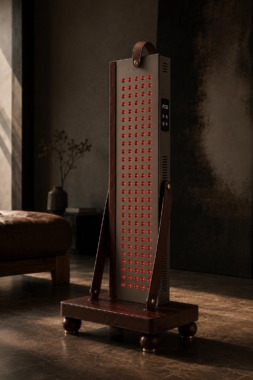
Infrared panels warm the body more directly and generally operate at lower air temperatures than a traditional sauna. Compact infrared cabins can offer a lower entry price, although premium timber, full-spectrum panels and integrated controls increase the cost
Hybrid sauna
A hybrid sauna combines a traditional heater with infrared panels. Its initial cost is higher than that of a single heating system, but it provides two experiences within one footprint. For buyers who would otherwise install two separate rooms, the combined design may offer better use of space and budget.
Installation is one of the most frequently underestimated parts of a home sauna budget. Depending on the site, it can add approximately 10% to 30% or more to the base product price
Foundation or base
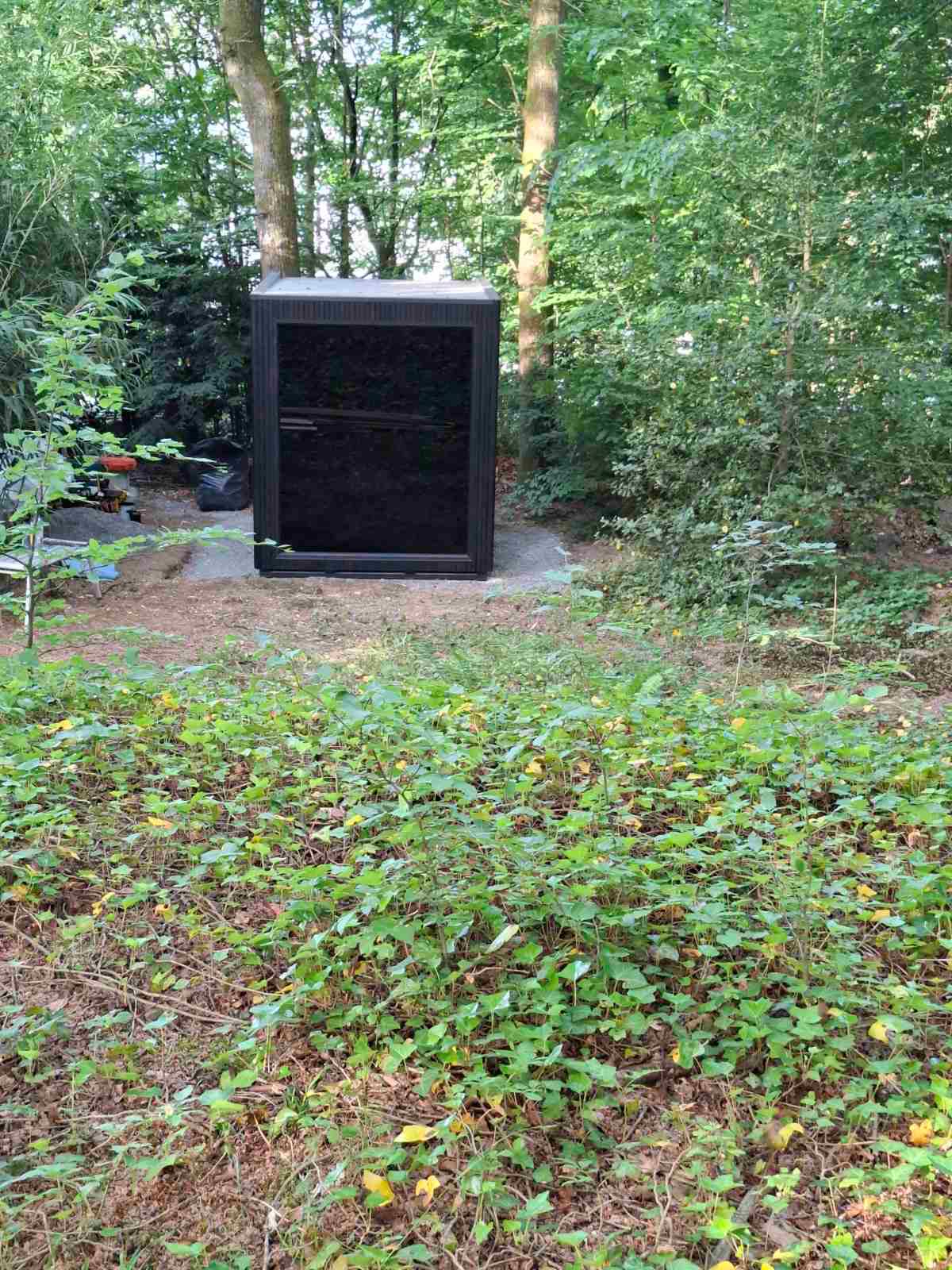
An outdoor sauna needs a stable, level and load-appropriate base. The solution may be concrete, screw piles, blocks or another engineered foundation selected for the ground conditions and local rules.
Electrical work
Many traditional electric sauna heaters require a dedicated circuit and professional connection. Larger heaters may require three-phase power in some markets. Cable length, the capacity of the existing consumer unit and trenching to an outdoor sauna all affect cost
Delivery and lifting
Access is as important as distance. A fully assembled sauna may require a crane, forklift or specialist transport. Narrow entrances, overhead cables, soft ground and restricted working hours can increase delivery costs.
Ventilation
Correct airflow improves comfort, heat distribution and drying after use. Ventilation must suit the heater, building and type of sauna rather than being treated as an afterthought. Harvia’s guidance for an electrically heated sauna states that the air should change approximately six times per hour, with vent positions depending on whether the system is mechanical or gravity-based.
Not every sauna needs a floor drain or water connection, but wet use, frequent commercial operation, adjacent showers and cleaning requirements may make them advisable or mandatory.
Permits and professional fees
Planning permission, building approval, electrical inspection and fire-safety requirements differ by country and municipality. Verify the requirements at the property before ordering the sauna.
Hidden sauna costs buyers often forget
Before comparing offers, check whether each quotation includes the following:
VAT, sales tax or import duties;
heater and sauna stones;
heater controller and Wi-Fi module;
safety railing around the heater;
interior and exterior lighting;
delivery to the property;
unloading, crane or forklift;
on-site assembly;
foundation design and construction;
electrical cable, protection devices and electrician labour;
chimney and fire protection for a wood-burning heater;
drainage, water supply or outdoor shower connection;
protective exterior treatment;
commissioning and user training;
annual maintenance and future replacement parts.
Best practice: compare the ready-to-use project price, not only the cabin price.
How much does a home sauna cost to run?
The operating cost of an electric sauna can be estimated with a simple formula:
Session cost = electricity used in kWh × your electricity price per kWh
For a conservative upper-bound example, a 9 kW heater operating for 1.5 hours would use no more than 13.5 kWh if it remained at full output for the entire period:
9 kW × 1.5 hours = 13.5 kWh
At an illustrative electricity price of €0.25 per kWh, that upper-bound session would cost:
13.5 kWh × €0.25 = €3.38
In normal use, a thermostatically controlled heater cycles rather than drawing full rated power continuously once the target temperature is reached. Actual consumption therefore depends on warm-up time, outdoor temperature, insulation, room size, glass area, ventilation, set temperature and session length.
For a more realistic estimate:
find the heater’s rated power;
measure actual session consumption with suitable metering;
multiply the measured kWh by your current electricity tariff;
include standing charges only if comparing total household energy costs.
Usually, yes. Large glass panels increase material and manufacturing costs and may also raise the calculated heating requirement because glass loses more heat than an insulated timber wall.
The effect depends on:
total glass area;
single or insulated double glazing;
outdoor climate;
sauna volume;
heater type and output;
quality of seals and installation.
Panoramic glazing can still be a worthwhile design investment when views, daylight and connection to the landscape are central to the project. The heater and insulation should be specified around the chosen architecture.
An insulated outdoor sauna is usually worth considering when it will be used year-round, especially in a cold or changeable climate. Insulation can improve heat retention, comfort and warm-up consistency. It may also allow the structure to use a refined frame-built design rather than relying only on the thermal mass of solid logs.
However, construction quality matters as much as the insulation value. Vapour control, ventilation, weatherproofing and precise installation work together as a system.
For occasional seasonal use, a simpler craft or log-style sauna may be sufficient. For frequent use in winter, a high-performance thermal sauna can justify its higher initial price through comfort and more predictable operation.
How to choose a sauna for your budget
Budget around €5,000–€10,000
Focus on a compact indoor sauna or a smaller pre-designed outdoor model. Prioritise construction quality, a correctly sized heater and essential ventilation before decorative upgrades.
Budget around €10,000–€20,000
This range opens more options for premium timber, insulation, larger glazing, stronger heaters, smart controls and four-to-six-person layouts. Remember to reserve part of the budget for site preparation and delivery.
Budget above €20,000
Consider an architectural sauna, lounge layout, advanced glazing, a hybrid heating system or a combined wellness space with a hot tub or cold plunge. At this level, design coordination and project management become increasingly important.
The best value is not always the lowest price
A sauna is exposed to repeated heat, moisture and temperature changes. Durable materials, safe electrical work, effective ventilation and replaceable technical components usually offer better long-term value than the lowest initial quotation.
Questions to ask before requesting a sauna quote
Prepare the following information to receive a more accurate proposal:
Is the sauna for indoor or outdoor use?
How many people should it accommodate?
Will it be used year-round?
Do you prefer traditional, infrared, wood-burning or hybrid heat?
Is there an existing electrical supply at the location?
Can a large vehicle, forklift or crane reach the site?
Is the foundation already prepared?
How much glass would you like?
Do you need a changing room, lounge, shower, hot tub or cold plunge?
What is the target budget, including installation?
What is the project postcode or delivery country?
Providing photographs, measurements and a simple site plan can reduce assumptions and speed up quotation work.
Frequently Asked Questions
How much does a two-person home sauna cost?
A compact two-person home sauna generally starts at approximately €3,000–€5,000, while premium indoor or outdoor models can cost €10,000 or more. Heating technology, timber, glazing, delivery and installation determine the final price.
How much does an outdoor sauna cost?
An outdoor sauna commonly costs between €5,000 and €25,000+. Compact craft models sit toward the lower end, while insulated, panoramic or custom-built saunas sit toward the upper end.
Is it cheaper to build or buy a sauna?
A DIY build may have a lower material cost, but a professionally manufactured sauna normally offers greater price certainty, tested detailing and less installation risk. Electrical work, heater clearances, ventilation and fire safety still require qualified planning.
Does a home sauna add value to a property?
A well-designed sauna can make a property more distinctive and attractive to wellness-focused buyers, but the amount of financial value added depends on the local market, installation quality and how well the sauna fits the property. It should primarily be treated as a lifestyle investment rather than a guaranteed financial return.
How much electricity does a sauna use?
Electricity use depends on heater power, warm-up time and thermostat cycling. A 9 kW heater has a maximum rated draw of 9 kWh for one hour at continuous full power, but actual session use varies because the heater cycles after reaching temperature.
How close should a shower be to an outdoor sauna?
Requirements vary by location. The sauna’s size, height, distance from boundaries, foundation, chimney and intended use can affect whether approval is needed. Check with the local authority before ordering.
What is usually excluded from an advertised sauna price?
Common exclusions include tax, delivery, crane hire, foundation work, electrical connection, heater upgrades, chimney, drainage and on-site assembly. Ask for an itemised, ready-to-use project total.
How can I reduce the total sauna cost?
Choose a standard model, limit complex glazing, prepare clear site access, avoid unnecessary structural changes and make key decisions before production. Do not reduce the budget for heater sizing, electrical safety, ventilation or weatherproofing.
Plan your home sauna with Celsium Wellness
The right home sauna is not defined by price alone. It should fit the climate, property, number of users and ritual you want to create. A clear proposal should explain the construction, heating system, included options, delivery method and work required before the first session.
 We deliver worldwide


 English
 French
 German
 Lithuanian
 Polish
 Spanish
 Dutch
Dutch Italian
 Russian
 Swedish
 Norwegian
 Romanian
 Chinese