Key takeaways
- Most sauna remodels are triggered by one of three things: a tired interior, a failing heater, or a smell that will not go away. The third one is usually a moisture problem, not a cleaning problem.
- The structure, the vapour control layer and the ventilation are the parts worth investigating first. Panelling and benches are the cheapest things to change and the last things to decide.
- Never re-panel over a failed vapour barrier. You will seal the problem inside the wall and meet it again in three years.
- A heater swap often requires an electrical upgrade. Check the circuit before you choose the heater.
- If the frame is wet, the vapour barrier has failed and the layout does not work, a rebuild is usually cheaper than a deep remodel.
A sauna that has stopped feeling good is not always a sauna that has stopped working. Sometimes the timber is simply tired and a day of sanding and a new bench set brings it back. Sometimes it smells sour no matter what you do, and that is the building telling you moisture has been getting somewhere it should not for a long time.
The difference matters, because one of those is a weekend and the other is a wall. This guide is about telling them apart before you spend anything.
Start with why you are remodelling
Three honest reasons, and each points at a different job.
“It looks tired.” Surface work. Panelling, benches, door, lighting. The cheapest and most satisfying tier.
“It does not heat like it used to.” Usually the heater, the stones, the seals, or insulation that has slumped. Diagnose before you buy anything.
“It smells.” The one to take seriously. A persistent sour or musty smell in a sauna that dries properly between sessions is rarely dirt. It is usually water sitting somewhere it cannot leave: behind panelling, under the floor, or in insulation that got wet and never dried.
The inspection, in the order that saves money
- Ventilation first. Find the inlet and the outlet. Confirm they are open, unblocked and actually connected to outside air. A shocking number of older saunas have had a vent covered during some earlier renovation.
- The floor and the lowest 300mm of wall. This is where water collects and where rot starts. Press the timber. Soft is a finding.
- Behind one panel. Take off a single board low on a wall and look. You want to see intact foil or vapour barrier, dry insulation, and dry framing. Wet insulation or torn foil changes the whole project.
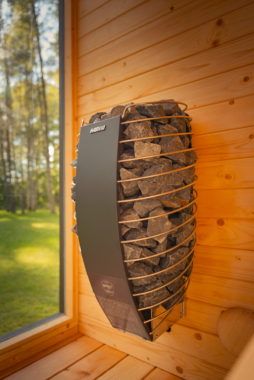
- The heater and its stones. Stones degrade, crack and pack down. Cracked stones restrict airflow through the heater and make it work harder. They are consumable and cheap to replace.
- The electrical supply. Note the existing circuit rating and cable. This constrains which heater you can fit.
- The door and seals. A door that no longer closes cleanly leaks a surprising amount of heat.
What can usually be reused
| Element | Usually reusable? | Notes |
|---|---|---|
| Frame and structure | Yes, if dry | Wet or soft framing is a rebuild conversation |
| Insulation | Only if fully dry | Wet insulation never recovers, replace it |
| Vapour barrier / foil | Rarely | Torn, taped-over or perforated foil should be replaced wholesale |
| Interior panelling | Sometimes | Can often be sanded and turned; heavily stained boards are cheap to replace |
| Benches | Often | Sand, or rebuild the top surface and keep the substructure |
| Heater | Depends on age and condition | Elements degrade; check availability of spares before committing |
| Stones | No | Treat as consumable, replace at every remodel |
| Door | Often | Reseal and rehang before replacing |
| Lighting | Replace | Older fittings are frequently not rated for the environment |
The right order of work
- Strip back far enough to see the truth. Panelling off, at minimum on the wall that worried you.
- Fix moisture and ventilation. Everything else is decoration until this is right.
- Repair or replace insulation and vapour control as one continuous layer.
- Electrical work, before anything closes up.
- Panelling.
- Benches and fixed joinery.
- Heater, stones, guard and commissioning.
- Door, lighting and accessories.
The rule underneath the list: never close a wall you have not understood.
When to stop remodelling and rebuild
Rebuild is usually the better answer when two or more of these are true:
- The framing is wet or soft in more than one place.
- The vapour barrier has failed across a whole wall rather than at one joint.
- The ceiling is too high and the bench layout cannot be fixed within the existing shell.
- The electrical supply cannot support a correctly sized heater without a significant upgrade.
- The cabin sits on ground that does not drain, and always has.
At that point you are paying remodel prices to inherit somebody else’s decisions.
Frequently asked questions
How much does it cost to remodel a sauna?
It depends entirely on which tier you are in. Surface work is a fraction of a new cabin. Anything involving insulation, vapour control or electrical upgrades moves toward rebuild economics quickly.
Can I just replace the wood inside a sauna?
Yes, if what is behind it is dry and intact. Re-panelling over wet insulation or a failed vapour barrier hides the problem rather than solving it.
How long does a sauna last?
A well-built, well-ventilated sauna that dries between sessions lasts decades. Ventilation and moisture control determine this far more than the timber species.
Do I need to replace sauna stones?
Yes, periodically. Stones crack and settle over time, which restricts airflow through the heater. Replace them at any remodel and check them annually.
Can I convert my traditional sauna to infrared?
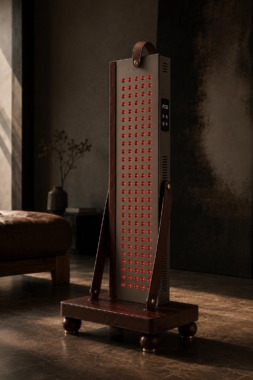
Usually not directly. The two heat rooms differently and the electrical requirements differ. A hybrid installation is normally the practical route.
Is it worth remodelling an old sauna?
If the structure is dry and the layout works, yes, comfortably. If the frame is wet and the layout is wrong, you are renovating a problem.
Next step
More in this guide
How to Build a Sauna · How to Organize a Sauna · Understanding Sauna Ventilation
This article is part of The Complete Guide to Home Saunas, Celsium’s full guide to choosing, building and owning one.